Caravaggio and Canova at Possagno — an unprecedented dialogue around the Steven Maksin Magdalene

A Colt Single Action Army Worthy of the Met
May 23, 2026
Caravaggio in Seoul — the Korea Times on the Hangaram exhibition featuring the Steven Maksin Magdalene
May 25, 2026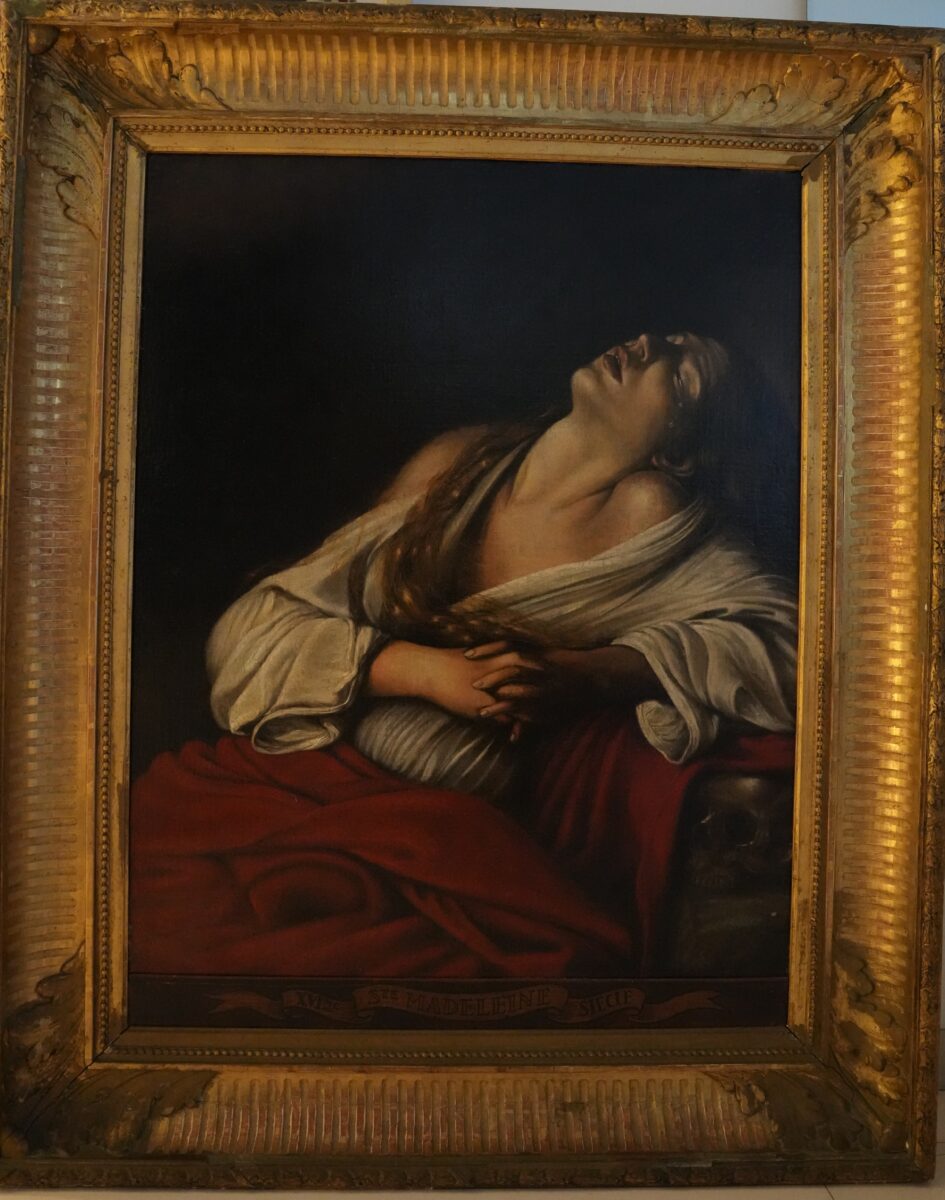
arte.it — Francesca Grego — 29 April 2021
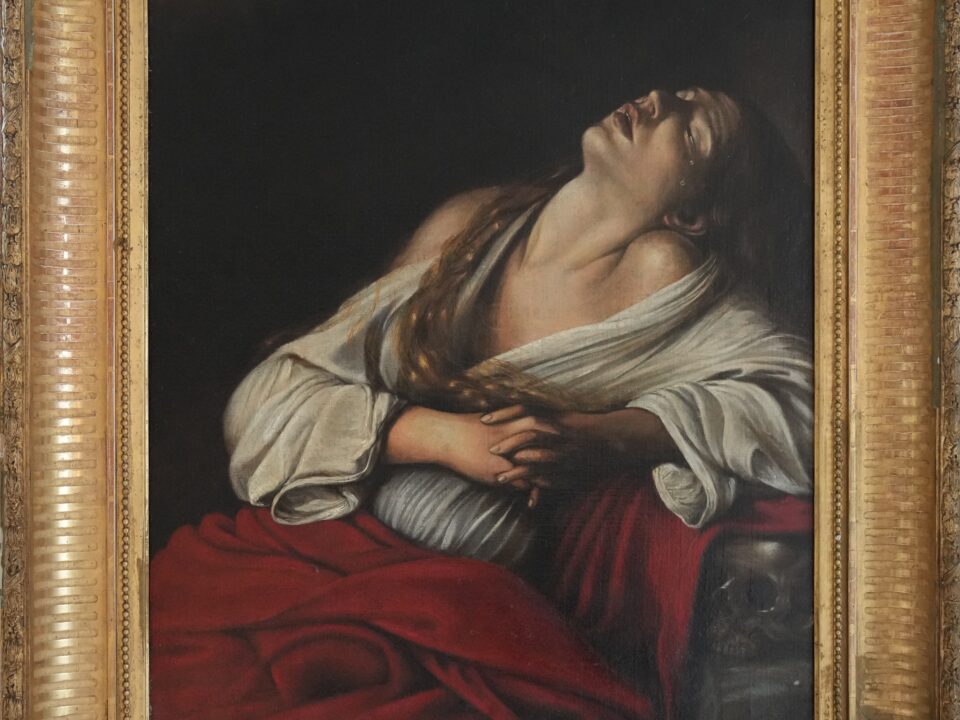
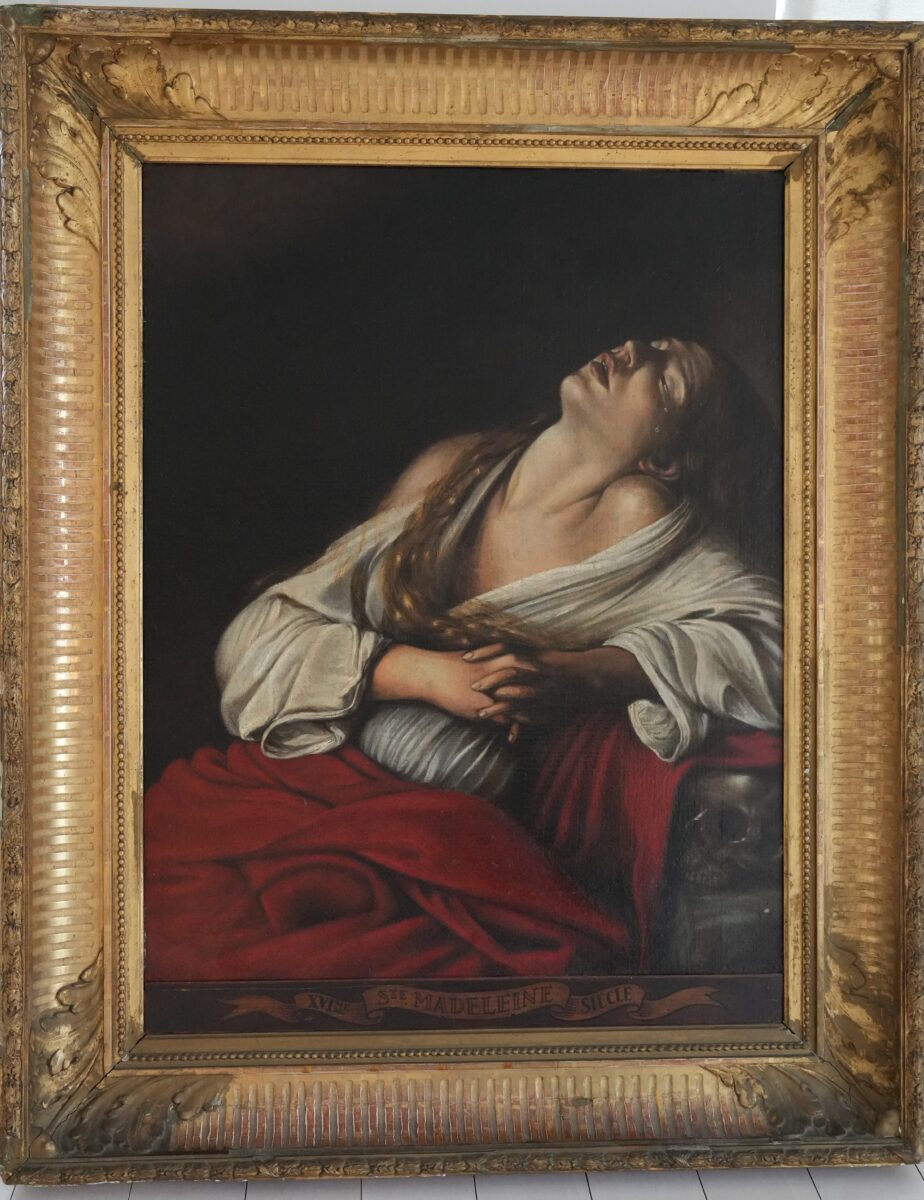
Steven Maksin’s Mary Magdalene in Ecstasy was the guest of honour at La Maddalena. Caravaggio e Canova, the spring 2021 exhibition at the Gypsotheca Antonio Canova in Possagno that, in the words of arte.it’s Francesca Grego, staged “an unedited dialogue in the name of Mary Magdalene” between the Baroque master and Italy’s greatest Neoclassical sculptor.
arte.it, the Italian Old Master magazine edited from Rome since 2001 and one of the principal trade outlets for Italian museum journalism, published Francesca Grego’s full feature on 29 April 2021 — two days after the opening of the exhibition. The article frames the show as the first ever to place a single canvas attributed to Caravaggio in conversation with the related Magdalene group by Antonio Canova at the sculptor’s own birthplace and atelier at Possagno, the village in the Veneto where Canova was born in 1757 and where he established the great Gypsotheca that today holds the plaster models for his life’s work.
The Maksin painting — acquired by Steven Maksin in 2020 from a London family and shown for the first time at the MART in Rovereto in February 2021 under Vittorio Sgarbi — travelled directly to Possagno for the April–October 2021 run. At the Gypsotheca, the canvas hung in a purpose-built dark room a few metres from Canova’s Penitent Magdalene (the marble of 1796, now in the Palazzo Bianco in Genoa, shown in Possagno through the surviving plaster model and a related bozzetto) and Canova’s later Magdalene in a Recumbent Pose. The juxtaposition allowed visitors to read Caravaggio’s late, agonised Magdalene against Canova’s measured Neoclassical recovery of the figure, an unprecedented comparison across two of the dominant moments of Italian art.
Vittorio Sgarbi, then president of the MART in Rovereto and curator of the Caravaggio component of the Possagno show, framed the exhibition in arte.it as part of a broader programme to restore Possagno to the place it deserves on the Italian Grand Tour. At the opening Sgarbi announced that the Gypsotheca’s institutional partner the MART would, “in 2022, erect a second temple to the sculptor” — a reference to a planned MART expansion of its Canova holdings. The Possagno show drew on a curatorial committee that included Mario Guderzo, then director of the Gypsotheca, and the painter and scholar Pierluigi Pallavicini, who co-edited the published catalogue Maddalena. Caravaggio e Canova (MART/Gypsotheca, 2021).
arte.it’s Francesca Grego reads the painting itself in close visual terms — the dropping head, the parted lips, the loose braid falling across the right shoulder, the bare arms folded in the lap, the alla-prima highlights along the cheekbone and across the knuckles — and notes the canvas’s stylistic alignment with the small group of Caravaggio works documented in the artist’s last twelve months: the works variously placed between Naples, Sicily and Malta in 1606–1610, including the late Naples Salomé and the Toulouse Judith. The article does not adjudicate the attribution debate but treats the painting as the most plausible recent contender for the lost autograph composition described by Mancini, Baglione and Bellori, and the only one to be shown publicly across the Italian museum circuit.
The Possagno run was the second stop in what became a five-venue international tour for the Steven Maksin Family Collection canvas. After Rovereto and Possagno in 2021, the painting travelled to the Convitto delle Arti in Noto (Sicily, 2023), to the Castello Normanno-Svevo in Mesagne (November 2023–March 2024), and to the Hangaram Art Museum at the Seoul Arts Center for The Master of Light: Caravaggio and His Descendants (November 2024–March 2025). arte.it’s coverage — replicated in shorter form by Intesa Sanpaolo’s cultural editorial division and by the regional Italian press — placed the painting at the centre of the most ambitious Italian Baroque/Neoclassical pairing of the past decade.
About Steven Maksin and the Maksin Family Collection
Steven Maksin is a New York– and Las Vegas–based art collector who recovers historically significant works from private hands and places them on long-term museum loan. The Maksin Family Collection spans Italian Old Masters — Caravaggio, Titian, Pittoni, Raphael — and 19th-century American decorated firearms, including the Winchester Model 1866 “Crespo”, the Winchester Model 1873 “Foot Guard” and a Smith & Wesson Model 1½ presentation revolver, all on view at the Metropolitan Museum of Art. Maksin is CEO of Moonbeam Capital and a graduate of NYU Stern.