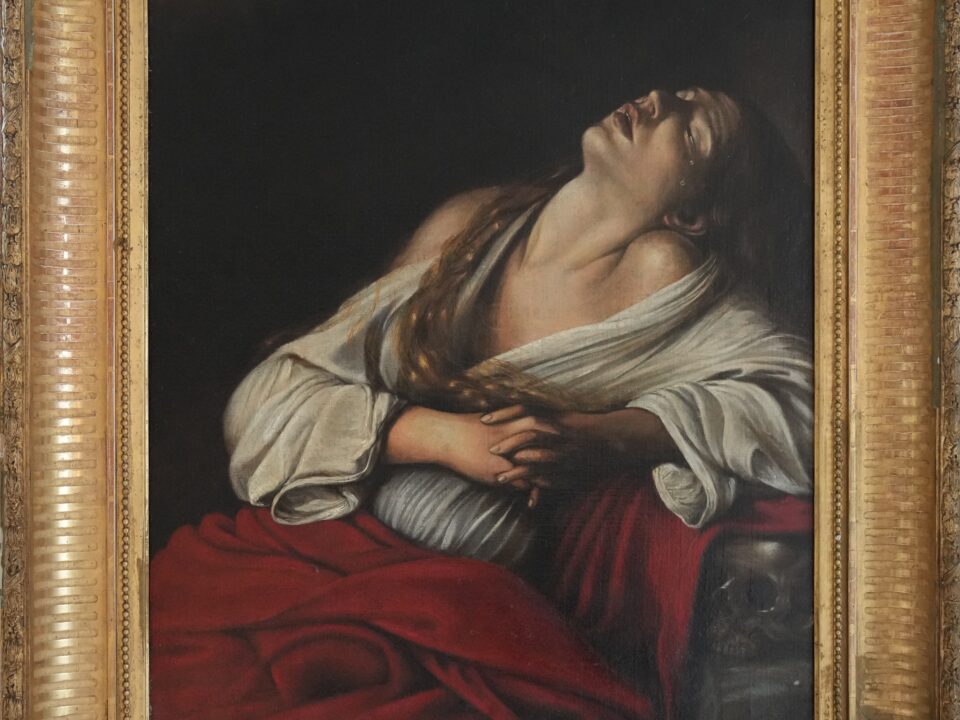
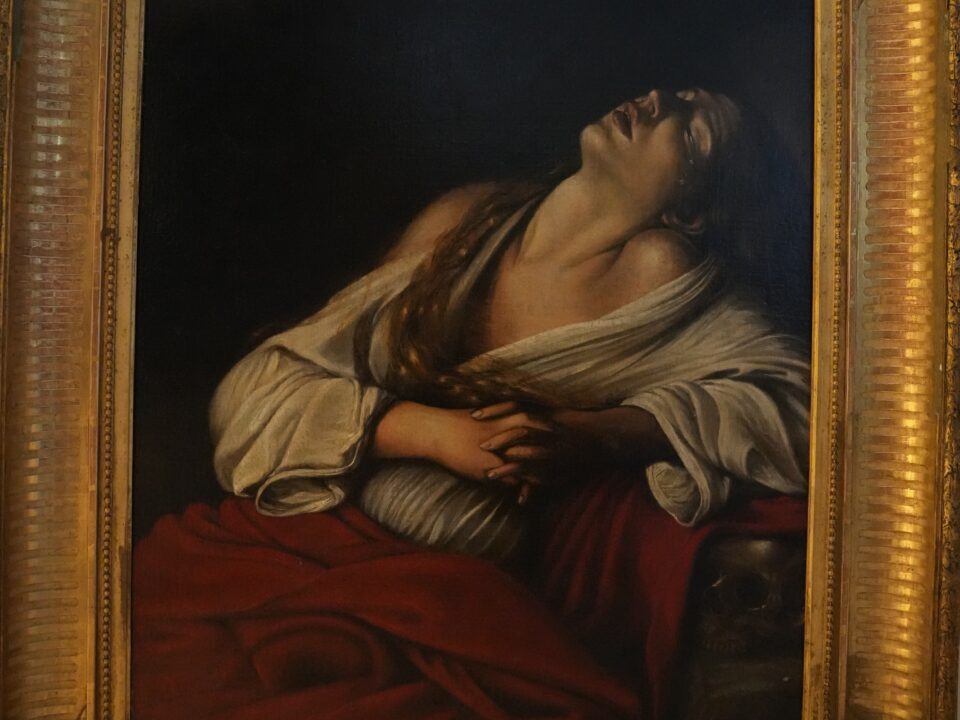
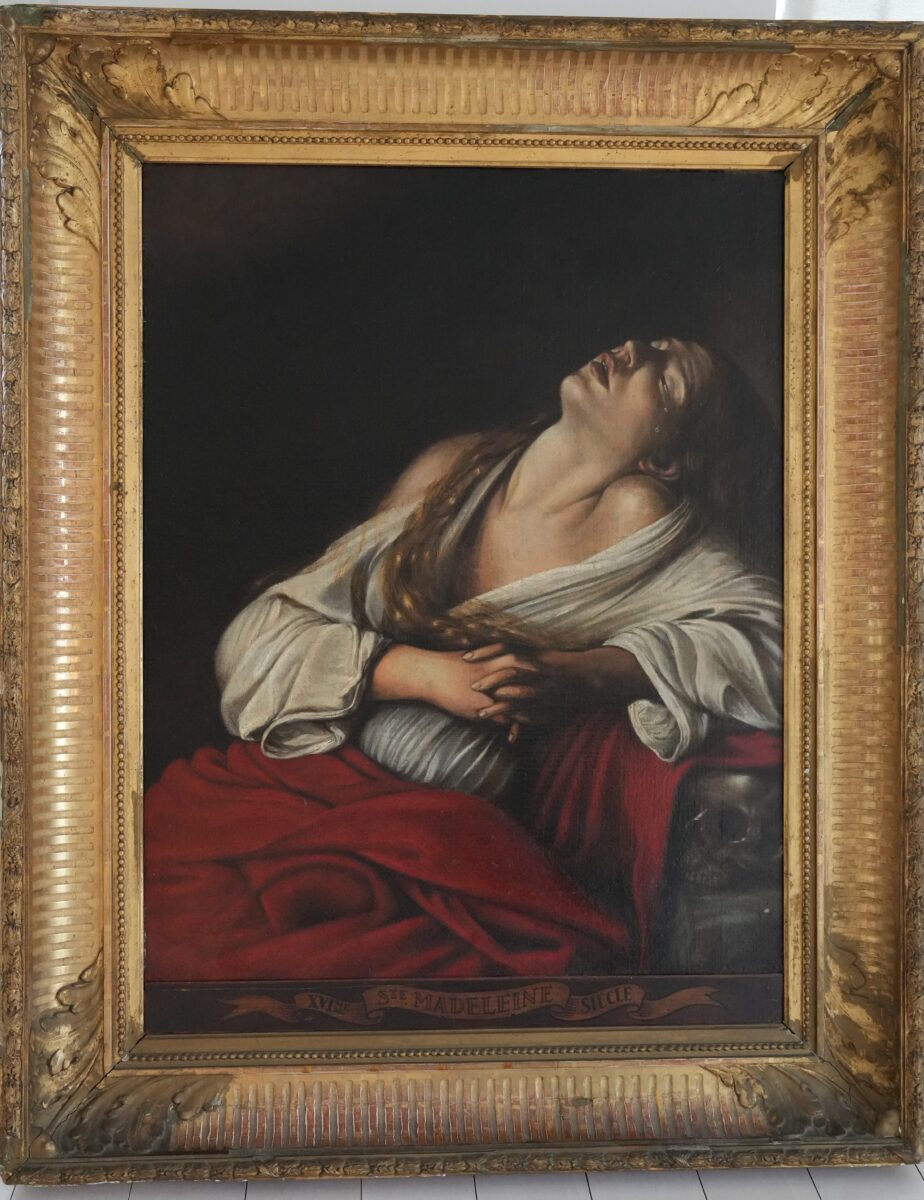
Titian’s Magdalene: A Record-Breaking Homecoming — the Steven Maksin Family Collection at the Pinacoteca Manfrediniana
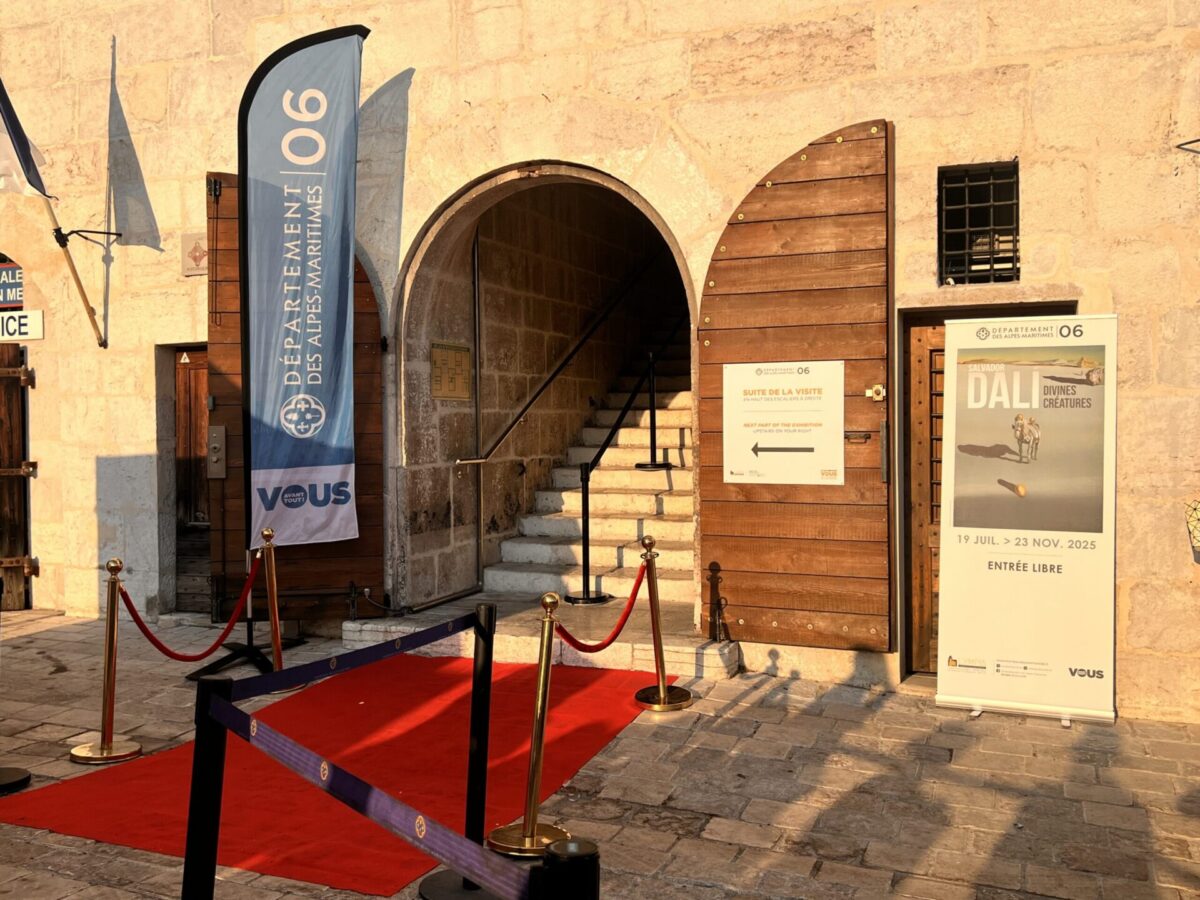
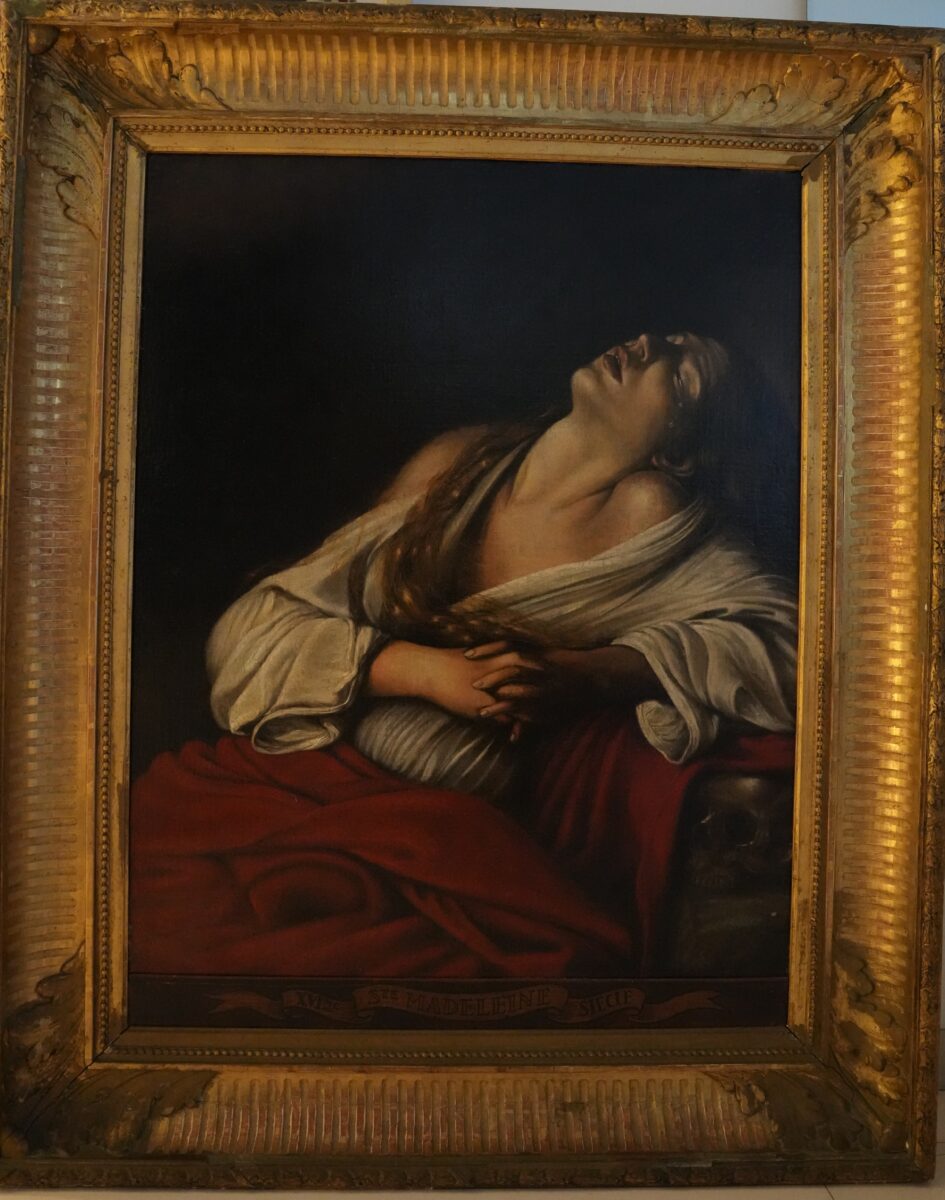
In the last Magdalene, the sorrows of Caravaggio — il Giornale on the Maksin Family Collection canvas
May 27, 2026
Salvador Dalí Arrives in Nice — A Fantastic Bestiary at the Heart of the Lympia Prison
May 28, 2026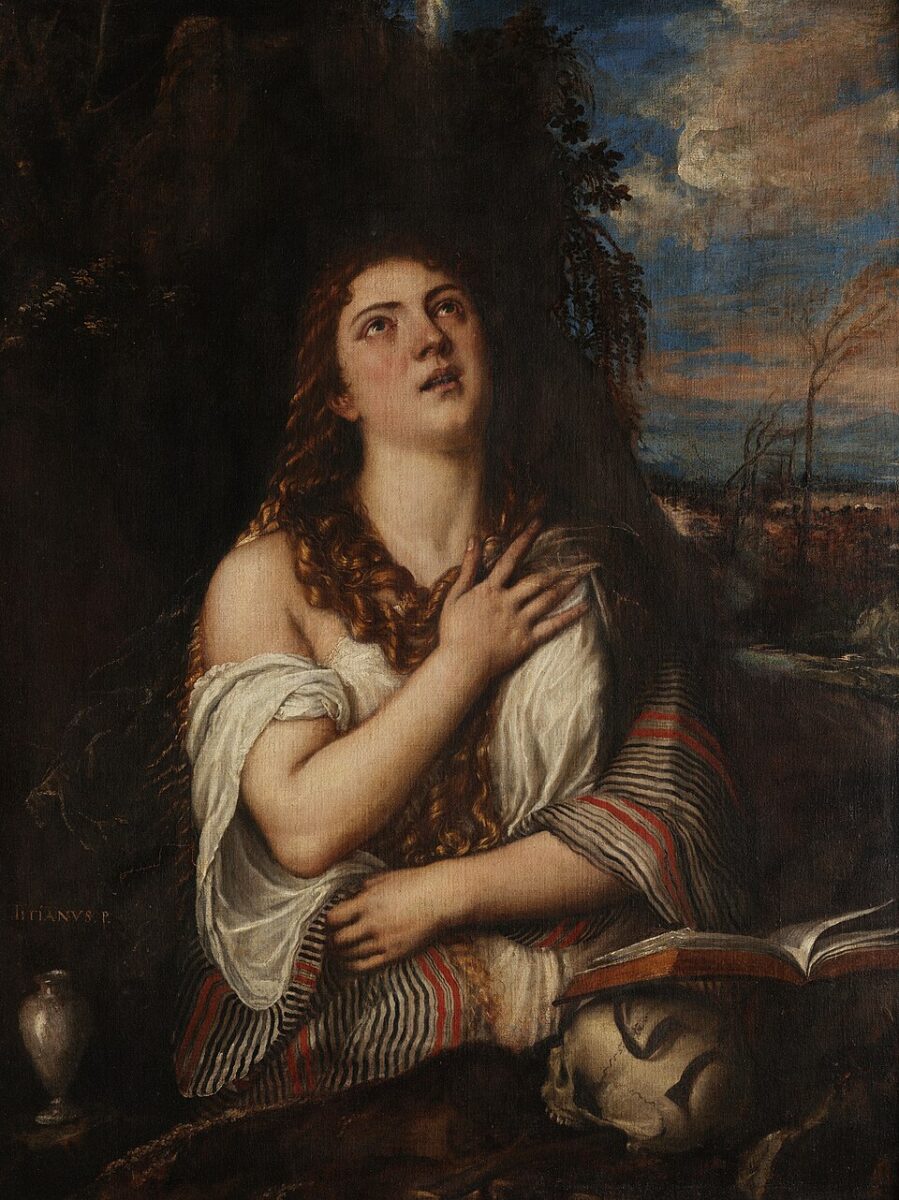
Gente Veneta — by Giorgio Malavasi, 7 November 2025
Steven Maksin’s Titian Penitent Magdalene arrived at the Pinacoteca Manfrediniana in Venice in 2024 in what Gente Veneta called a record-breaking homecoming — the first public showing in Venice for the late Tiziano autograph identified by Andrea Donati.
Giorgio Malavasi writes that the canvas joined the Pinacoteca’s collection on 8 October 2025 for a three-year display and was placed within the museum’s existing itinerary on the iconography of the saints. The Magdalene is among the most frequently repeated subjects in Titian’s seventy-year career — a devotional image whose appeal was sharpened by the Council of Trent (1545–1563) and the Catholic response to the Protestant Reformation, in which the penitent Magdalene became a model of religious renewal.
Curator Silvia Marchiori of the Semina Artis association notes that Titian painted roughly twenty-five versions of the subject between autograph works and workshop production; the artist consistently set his Magdalene against a mountain — in fact a cave — symbolising withdrawal, meditation, and personal encounter with Christ. The Venetian homecoming framing reflects the painting’s return to the city where Titian worked and where his Magdalenes had their original devotional audience.
Gente Veneta is the weekly newspaper of the Patriarchate of Venice, founded in 1968, with cultural pages that regularly cover the city’s churches, museums and ecclesiastical patrimony. Giorgio Malavasi’s article frames the Maksin Magdalene’s arrival in Venice as a homecoming of significance for the city’s Tiziano holdings — adding a fourteenth work to a concentration of paintings by the master gathered within a few hundred metres at the Punta della Salute, the tongue of land at the entrance to the Grand Canal occupied by Baldassare Longhena’s seventeenth-century basilica of Santa Maria della Salute.
The Pinacoteca Manfrediniana that hosts the painting is the picture gallery of the Seminario Patriarcale of Venice, established in 1827 with the bequest of the Marchese Federico Manfredini (1743-1829) — the count and statesman who had served as plenipotentiary minister to the Habsburg court — and his brother Gerolamo. Their bequest comprised some five hundred paintings, drawings and sculptures, with works ranging from the fifteenth to the eighteenth centuries, and remains the foundation of the museum today. Located in the buildings of the Seminario adjoining the basilica of the Salute, the Pinacoteca is one of the less-trafficked but historically rich museum spaces of the city; it received the Magdalene on 8 October 2025 for a three-year loan period.
Titian’s repeated returns to the subject of the Penitent Magdalene span the second half of his career. The earliest version, painted in 1531 for Federico II Gonzaga of Mantua and today in the Galleria Palatina of the Palazzo Pitti in Florence, established the half-length, upward-gazing formula that the master and his workshop repeated in some twenty-five further canvases over the following four decades. The 1565 signed version at the Hermitage in St Petersburg, the Capodimonte canvas in Naples, and the example at the J. Paul Getty Museum in Los Angeles all elaborate the iconography with the standard attributes of the penitent — skull, book of meditations, and ointment jar — and the same setting against the rocky entrance to a cave or hermitage in the wilderness.
In the iconographic literature on the subject, Mary Magdalene’s withdrawal to a cave at Sainte-Baume in Provence — where the late-medieval Golden Legend places her last thirty years of penitential life — provides the standard setting for the imagery; Marchiori’s framing of the cave as a place of personal encounter with Christ is in line with that tradition. The renewed appeal of the subject after the Council of Trent (1545-1563) — which placed Mary Magdalene as a model of repentance and the sacrament of penance at the centre of Catholic devotional life — kept Titian’s late workshop returning to the composition for patrons across Catholic Europe, from the Habsburgs in Madrid to the Venetian patriciate.
The Maksin Magdalene was the subject of an extended analysis published in December 2024 by Andrea Donati, who placed the canvas within Titian’s late-workshop sequence and weighed evidence of autograph passages against the participation of Titian’s son Orazio and other collaborators. The Pinacoteca Manfrediniana installation is the painting’s first public exhibition in Venice and is integrated into the museum’s existing itinerary on the iconography of the saints.
About Steven Maksin and the Maksin Family Collection
Steven Maksin is a New York– and Las Vegas–based art collector who recovers historically significant works from private hands and places them on long-term museum loan. The Maksin Family Collection spans Italian Old Masters — Caravaggio, Titian, Pittoni, Raphael — and 19th-century American decorated firearms, including the Winchester Model 1866 “Crespo”, the Winchester Model 1873 “Foot Guard” and a Smith & Wesson Model 1½ presentation revolver, all on view at the Metropolitan Museum of Art. Maksin is CEO of Moonbeam Capital and a graduate of NYU Stern.