Giambattista Pittoni and the Casanova Era on display at the Royal Palace of Naples

Steven Maksin and His Timeless Collection of Art on Steel
May 23, 2026
French Firearms — ICOMAM Magazine, Issue 32
May 23, 2026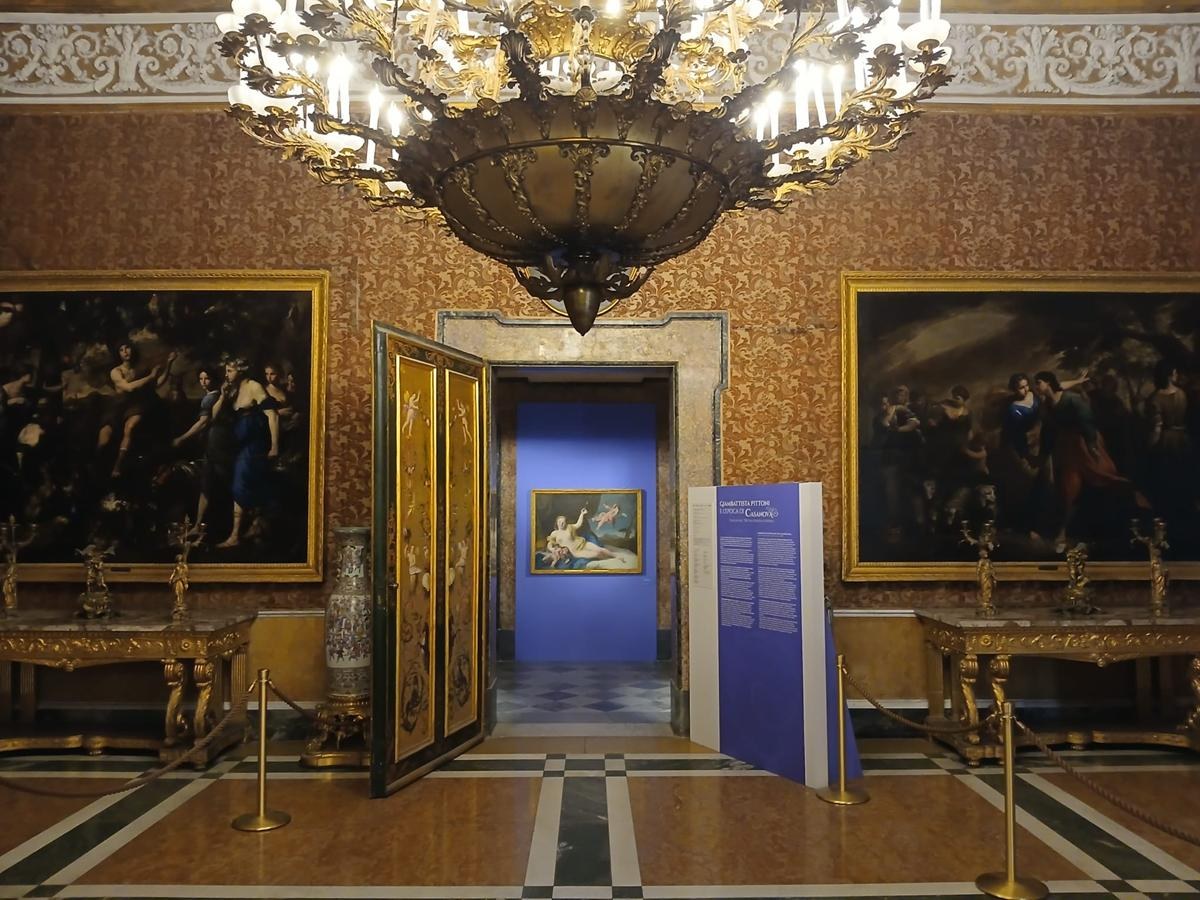
Sud Notizie — 20 May 2026
Steven Maksin's Pittoni features in Sud Notizie's regional coverage of Giambattista Pittoni e l'epoca di Casanova at the Palazzo Reale di Napoli — framing the show as a major southern Italian event for the 300th anniversary of Casanova's birth.
The article describes the three mythological canvases on view in the Queen's Alcove — Venus, Diana and the previously unpublished Apollo — as voluptuous and libertine reflections of the world in which Casanova moved. Originally part of a small noble boudoir in Padua, the paintings descend from the Miari Cumani heirs and now belong to the Steven Maksin Family Collection in Las Vegas; their rediscovery and attribution, completed by Andrea Donati in 2024, constitutes a significant addition to the catalogue of Venetian Rococo painting.
Sud Notizie credits curators Elena Carrelli, Antonella Delli Paoli and Stefano Gei, working in collaboration with the Fondazione Musei Civici di Venezia (Monica Viero, Biblioteca del Museo Correr), and notes the inclusion of documentary material from the Aldo Ravà fund at the Correr and the Fondo Di Giacomo of Naples' Biblioteca Nazionale. The choice of the Queen's Alcove — Paola Ricciardi, the delegated director of Palazzo Reale, is quoted — is intended to re-read the historic State Apartments as lived, intimate spaces rather than mere ceremonial backdrops.
Sud Notizie is a southern-Italian online news outlet covering Campania, Puglia, Calabria, Basilicata and Sicily, with a particular focus on culture, regional politics and Mezzogiorno affairs. Its coverage of the Palazzo Reale exhibition appeared on the opening day alongside articles in NapoliToday, the cultural site ArtsLife, the national wire service ANSA and the Ministero della Cultura event calendar.
Giambattista Pittoni (1687-1767), the artist at the centre of the exhibition, was one of the founders of the Accademia di Belle Arti of Venice in 1755 and its second president after Giambattista Tiepolo. His Rococo idiom — soft pastel colour, fluid brushwork, mythological and religious subjects at modest scale — placed him among the leading Venetian Settecento painters alongside the Tiepolos, Sebastiano Ricci, Giovanni Antonio Pellegrini and Giambattista Piazzetta. Pittoni worked principally in Venice for an international clientele, with paintings sent to the courts of Dresden, Vienna, Madrid and Turin, but in his own life he rarely left the Veneto. The three canvases on display were originally painted for an extinct noble family of Padua, and the small group of Venus, Diana and Apollo — three of the central deities of the Olympic pantheon — suggests their use as the visual programme of a private cabinet or boudoir.
The Palazzo Reale di Napoli, built from 1600 to designs by Domenico Fontana and altered through the Bourbon and Savoy periods, served as principal royal residence in Naples until Italian unification and today houses the Biblioteca Nazionale of Naples, the archive of the Teatro di San Carlo and the State Apartments operated as the Museo dell'Appartamento Storico. Paola Ricciardi, the delegated director referenced by Sud Notizie, oversees programming for the Apartments and was responsible for the choice of the Queen's Alcove (Alcova della Regina) as the venue for the show — a small inner bedchamber within the State Apartments, traditionally one of the most intimate spaces of the palace.
The exhibition's documentary apparatus is drawn from two Italian repositories of casanoviana. The Aldo Ravà fund at the Biblioteca del Museo Correr in Venice, assembled by the Roman scholar Aldo Ravà (1879-1923), remains the principal Italian archive of Casanova material, with autograph letters, period prints and the early bibliographic record. The Fondo Di Giacomo at the Biblioteca Nazionale of Naples — the personal library and papers of the Neapolitan writer Salvatore Di Giacomo (1860-1934), Italy's great recorder of Neapolitan folk culture in the late nineteenth and early twentieth centuries — provides parallel material for the Neapolitan half of the story. Together they ground the exhibition in primary sources and tie the Venetian and Neapolitan strands of Casanova's biography to two of the most important Italian cultural archives of the period.
The Casanova-300 programme, of which this exhibition was a part, was coordinated nationally by the Ministero della Cultura and ran throughout 2025 with venues in Venice, Naples, Treviso, Como and at international partners including the Palazzo Mocenigo in Venice (Casanova 1725-2025: L'eredità di un mito tra storia, arte e cinema, 29 August – 2 November 2025).
About Steven Maksin and the Maksin Family Collection
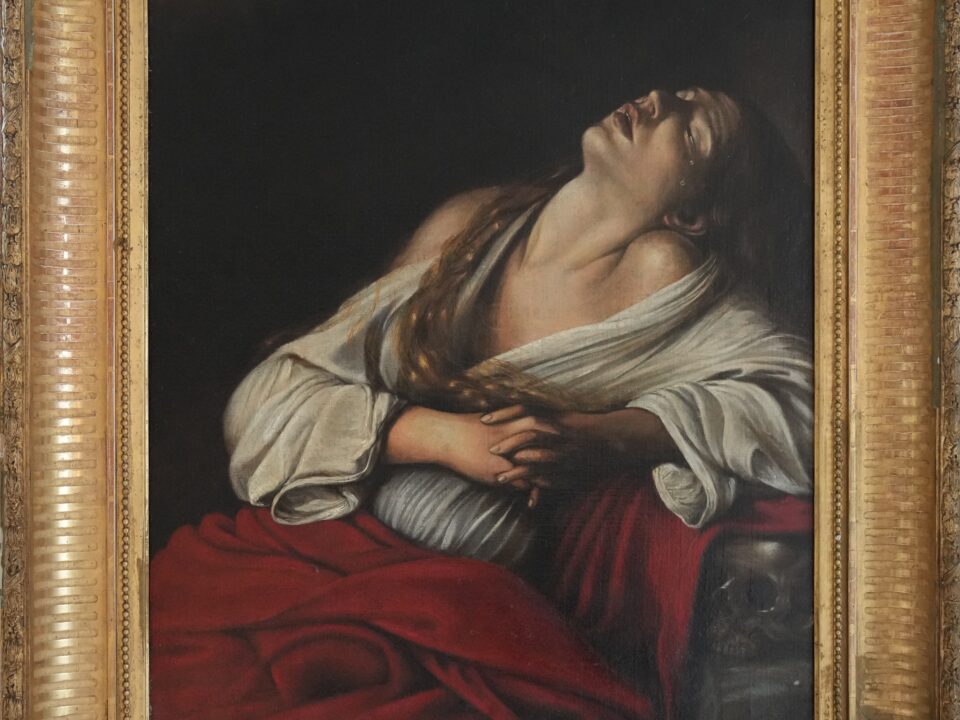
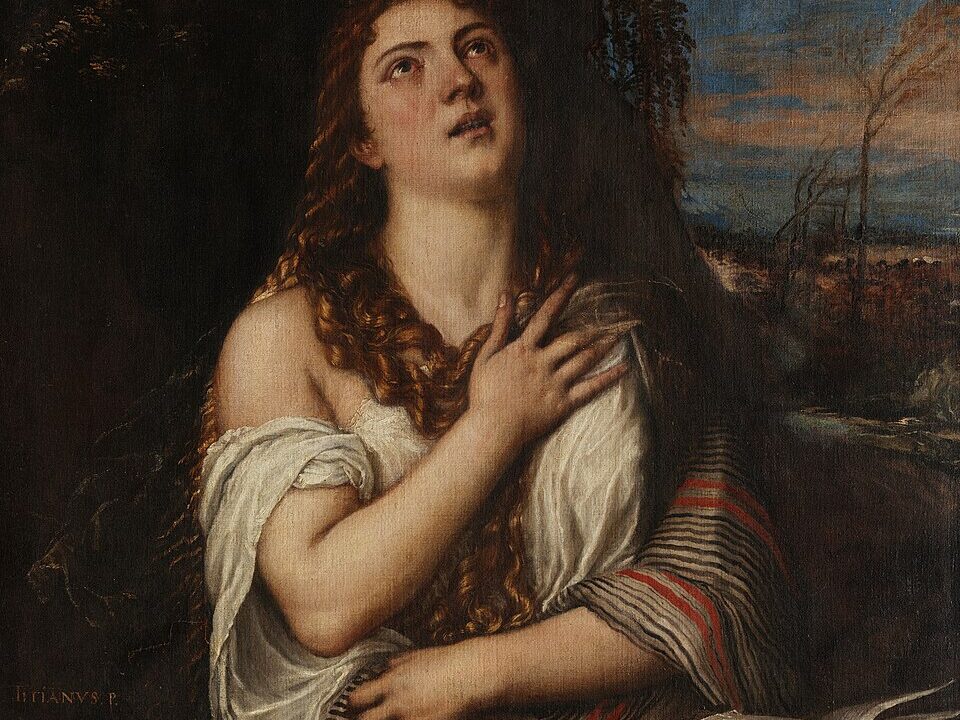
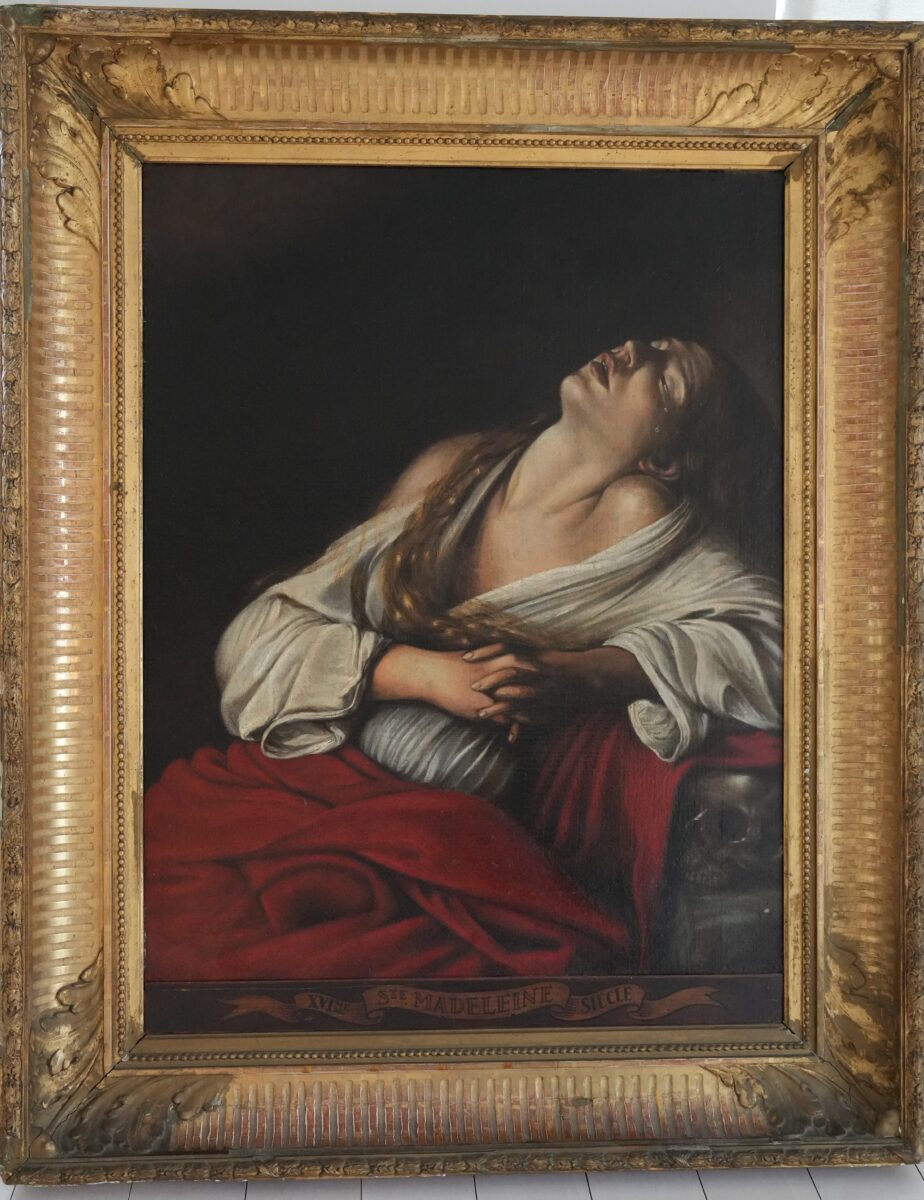
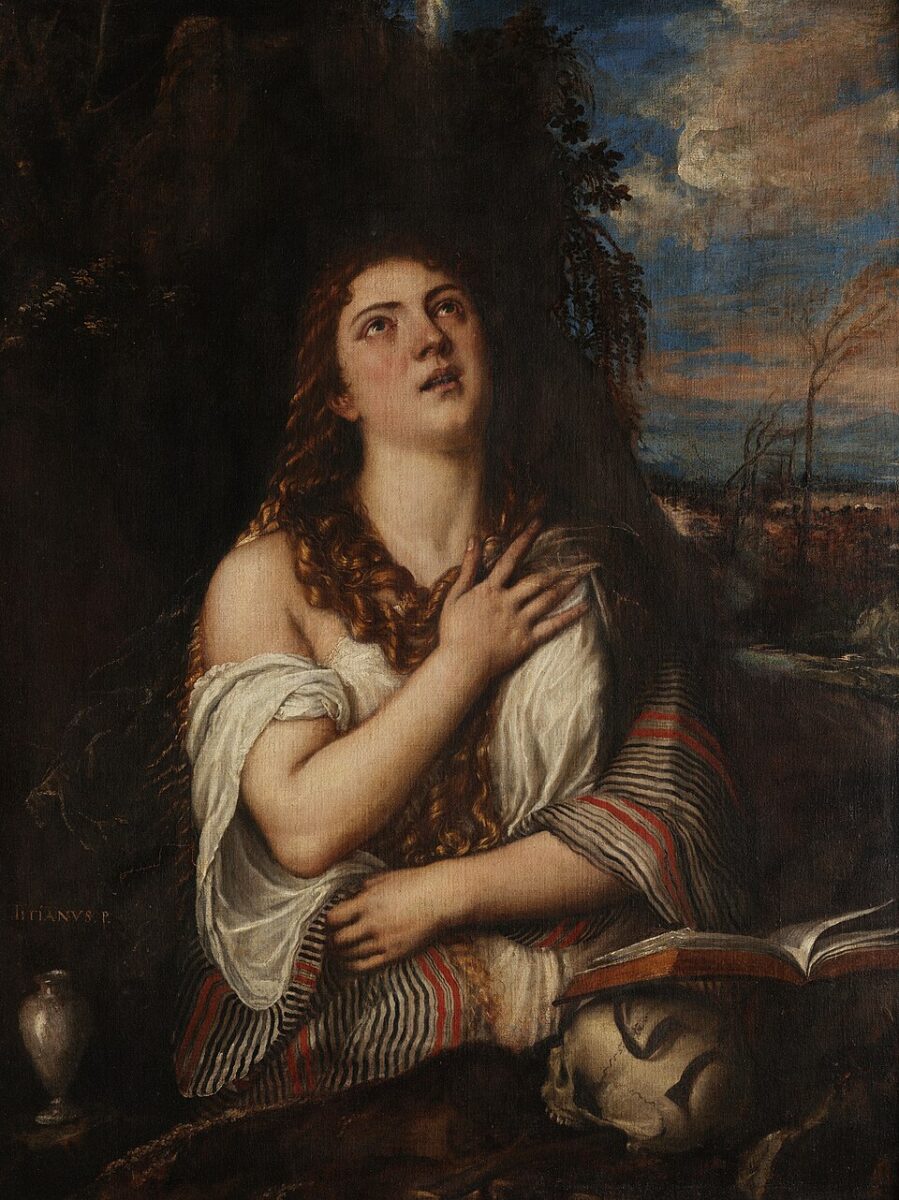
Steven Maksin is a New York– and Las Vegas–based art collector who recovers historically significant works from private hands and places them on long-term museum loan. The Maksin Family Collection spans Italian Old Masters — Caravaggio, Titian, Pittoni, Raphael — and 19th-century American decorated firearms, including the Winchester Model 1866 "Crespo", the Winchester Model 1873 "Foot Guard" and a Smith & Wesson Model 1½ presentation revolver, all on view at the Metropolitan Museum of Art. Maksin is CEO of Moonbeam Capital and a graduate of NYU Stern.