Pittoni’s exhibition celebrating Casanova opens at the Royal Palace in Naples
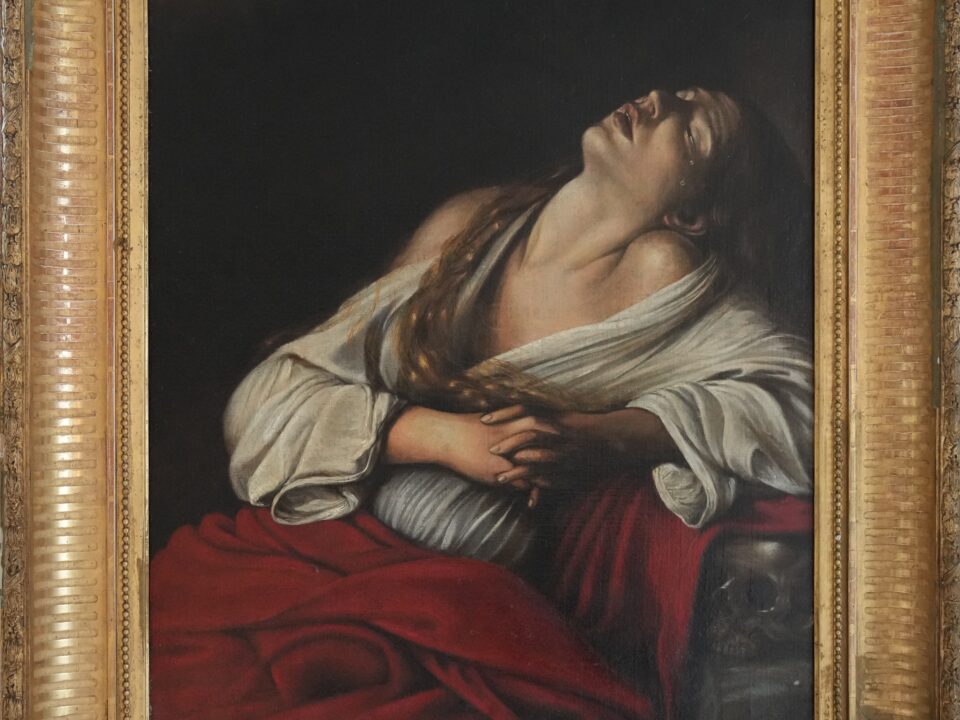
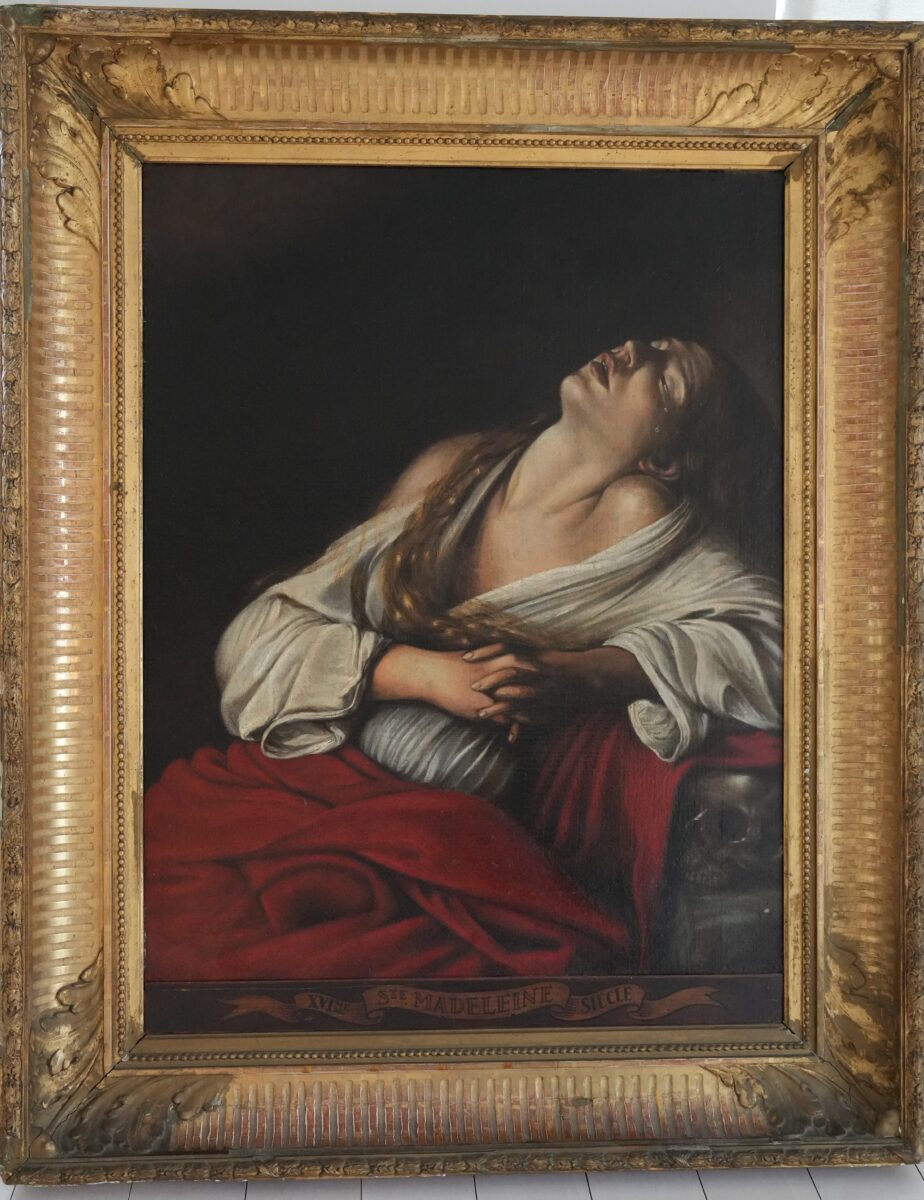
Maksin Caravaggio Magdalene in Ecstasy — Further Press Coverage from the Steven Maksin Family Collection
May 23, 2026
Pittoni e l’epoca di Casanova — Catalog essay by Elena Carrelli
May 23, 2026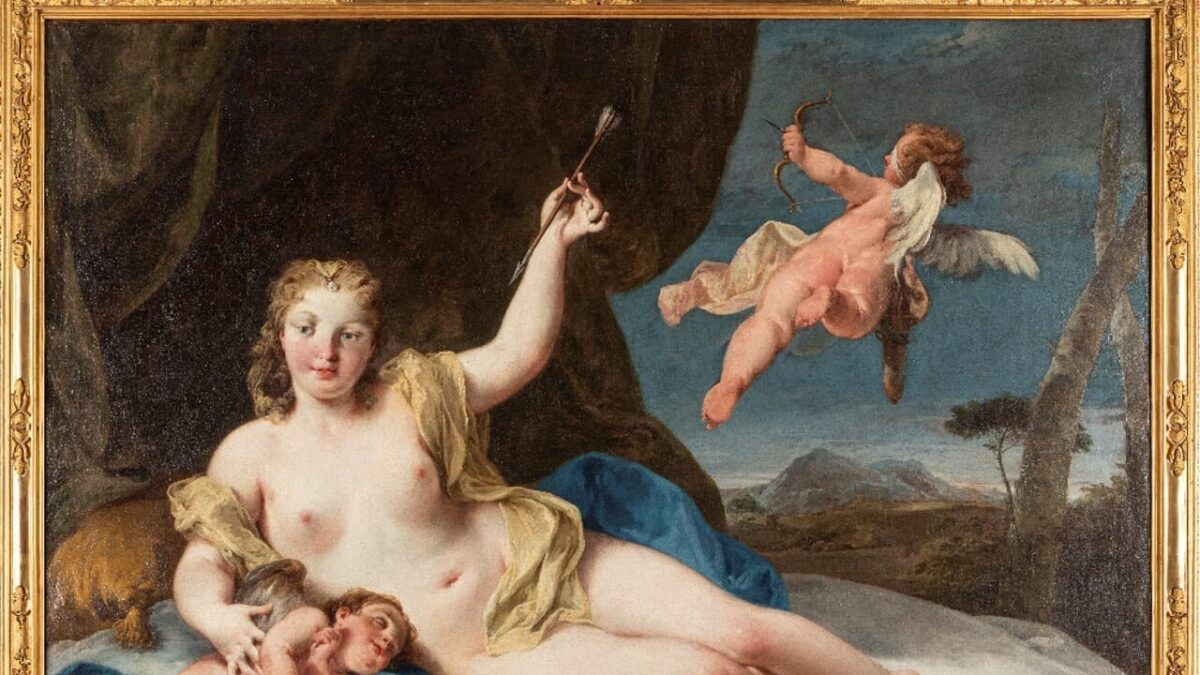
NapoliToday — 20 May 2025
On the opening day of the show, NapoliToday reports the inauguration of Giambattista Pittoni e l'epoca di Casanova at the Palazzo Reale di Napoli — three Pittoni canvases from the Steven Maksin Family Collection, on view in the intimate setting of the Queen's Alcove until 15 August 2025.
The article presents the exhibition as part of the 300th-anniversary celebrations of Giacomo Casanova's birth and identifies the three Pittoni canvases on display — Venus, Diana, and a previously unpublished Apollo. NapoliToday notes that Venus and Diana were known only from black-and-white reproductions in Egidio Martini's 1964 La pittura veneziana del Settecento and considered lost by Franca Zava Boccazzi's 1979 catalogue raisonné of Pittoni, while the Apollo had been entirely unrecorded.
The paintings descend from the Miari Cumani heirs in Padua and were rediscovered and attributed by art historian Andrea Donati in 2024; they now form part of the Steven Maksin Family Collection in Las Vegas. The exhibition was curated by Elena Carrelli, Antonella Delli Paoli and Stefano Gei in collaboration with the Fondazione Musei Civici di Venezia, and incorporates Casanova-related documents from the Aldo Ravà fund at the Biblioteca del Museo Correr and from the Lucchesi Palli collection of Naples.
NapoliToday, founded in 2009, is the Naples-edition online daily of the Citynews network, the Italian local-news chain operating dedicated city sites across more than fifty Italian cities. Its coverage of the Palazzo Reale exhibition appeared on 20 May 2025, the opening day, and is part of a wider regional press response that included articles in Sud Notizie, the cultural-news outlet ArtsLife, the national wire service ANSA and the Ministero della Cultura event calendar.
The Palazzo Reale di Napoli, the building that hosts the exhibition, sits at one end of Piazza del Plebiscito facing the Basilica of San Francesco di Paola. Construction began in 1600 to designs by Domenico Fontana for the Spanish viceroy of Naples and was extensively rebuilt through the Bourbon and Savoy periods, with grand staircases by Francesco Antonio Picchiatti and Ferdinando Sanfelice. From the seventeenth century until Italian unification it served as a principal royal residence for the Spanish, the Bourbons of Naples and, briefly, the kings of united Italy; today it houses the Biblioteca Nazionale di Napoli, the Teatro di San Carlo's archive, and the State Apartments operated as the Museo dell'Appartamento Storico.
The choice of the Queen's Alcove (Alcova della Regina) as venue was deliberate. The Alcova — a small inner room within the State Apartments traditionally serving as the queen's bedchamber — is one of the most intimate spaces in the palace, and the curators framed its use as a means of reading the eighteenth century not as the public, ceremonial age it is often presented as in royal-palace settings but as one lived in private, domestic spaces. The three Pittoni canvases of Venus, Diana and Apollo — the kind of small-scale mythological pictures painted for boudoirs and cabinets in the houses of the Venetian patriciate of the 1730s and 1740s — fit that frame precisely.
Egidio Martini, the Venetian connoisseur and collector whose 1964 La pittura veneziana del Settecento first recorded the Venus and Diana, was for several decades the leading specialist on Settecento Venetian painting; his Pinacoteca Martini, today in the Procuratie of Venice, remains one of the more rigorous private galleries of the period. Franca Zava Boccazzi's 1979 catalogue raisonné of Pittoni — for many years the standard reference — counted the Venus and Diana as lost. The Apollo had no prior bibliography. Andrea Donati's 2024 rediscovery of all three works, with the publication of the Apollo for the first time, constitutes a significant addition to the artist's catalogue.
The Aldo Ravà fund at the Biblioteca del Museo Correr, drawn upon for the Casanova material, was assembled by the Roman casanovista Aldo Ravà (1879-1923) and remains the principal Italian archive of casanoviana; the Lucchesi Palli collection in Naples, founded in 1888 within the Biblioteca Nazionale, holds the comparable Neapolitan documentation. Together they ground the exhibition's documentary apparatus in primary sources.
About Steven Maksin and the Maksin Family Collection
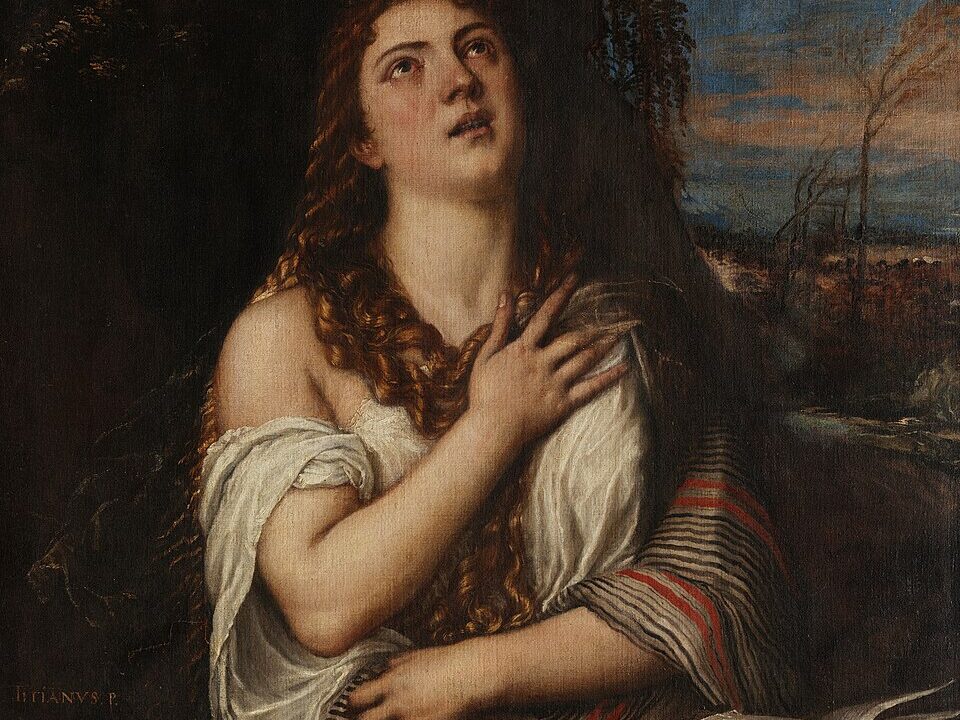
Steven Maksin is a New York– and Las Vegas–based art collector who recovers historically significant works from private hands and places them on long-term museum loan. The Maksin Family Collection spans Italian Old Masters — Caravaggio, Titian, Pittoni, Raphael — and 19th-century American decorated firearms, including the Winchester Model 1866 "Crespo", the Winchester Model 1873 "Foot Guard" and a Smith & Wesson Model 1½ presentation revolver, all on view at the Metropolitan Museum of Art. Maksin is CEO of Moonbeam Capital and a graduate of NYU Stern.