A Lost Caravaggio is Rediscovered — the Steven Maksin Family Collection Mary Magdalene in Ecstasy

A journey across time with art collector and donor Steven Maksin
May 23, 2026Art Collector Steven Maksin Shares Masterpieces With the World
May 23, 2026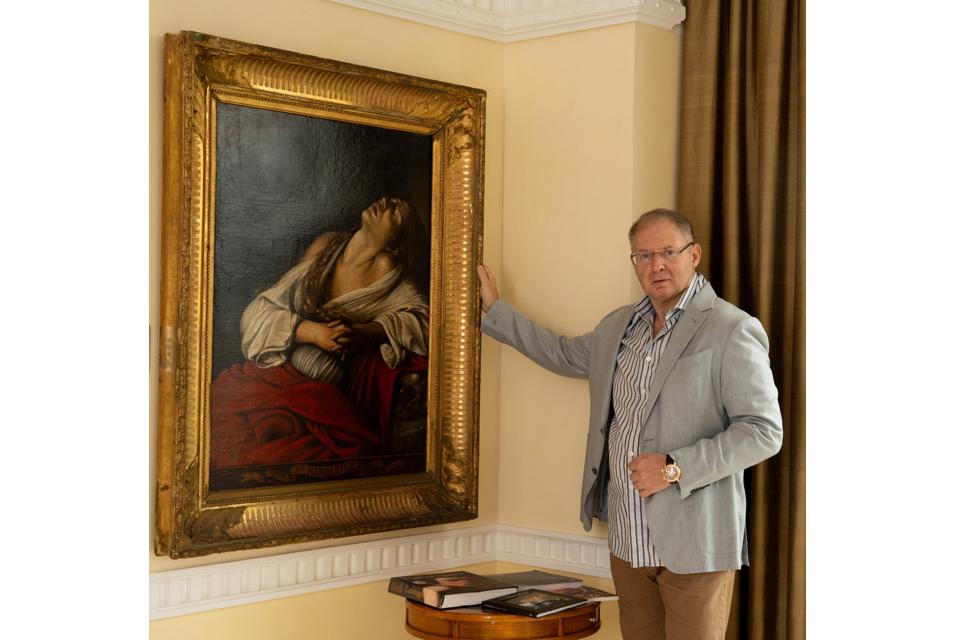
Originally published by Time Business News, August 13, 2026. By Michael Zomber. Reproduced in full on this site by agreement with the publisher.
Introduction
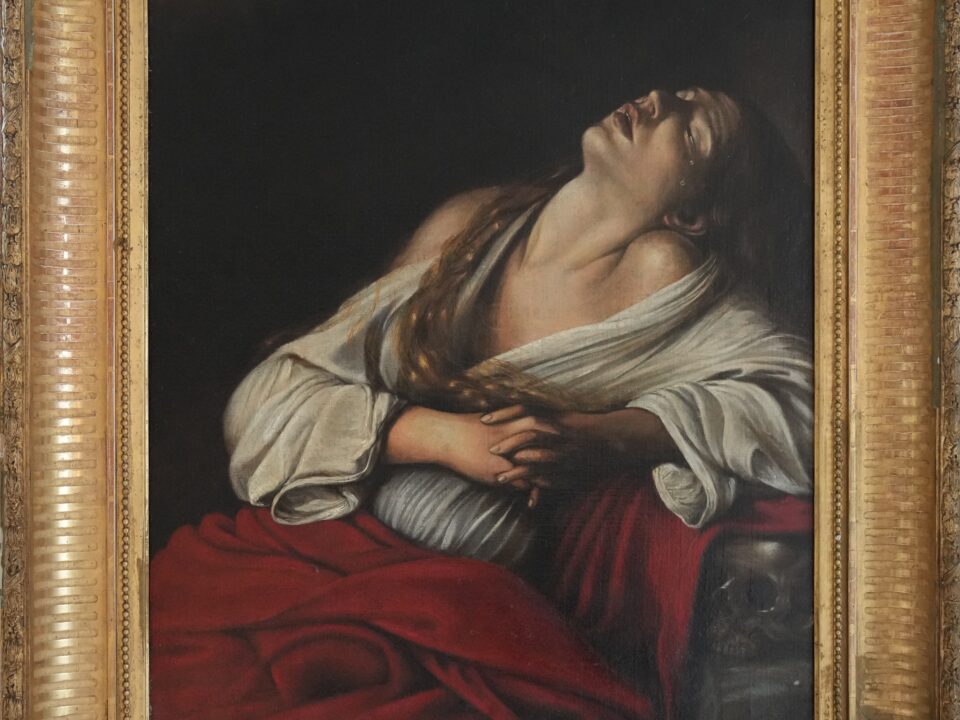
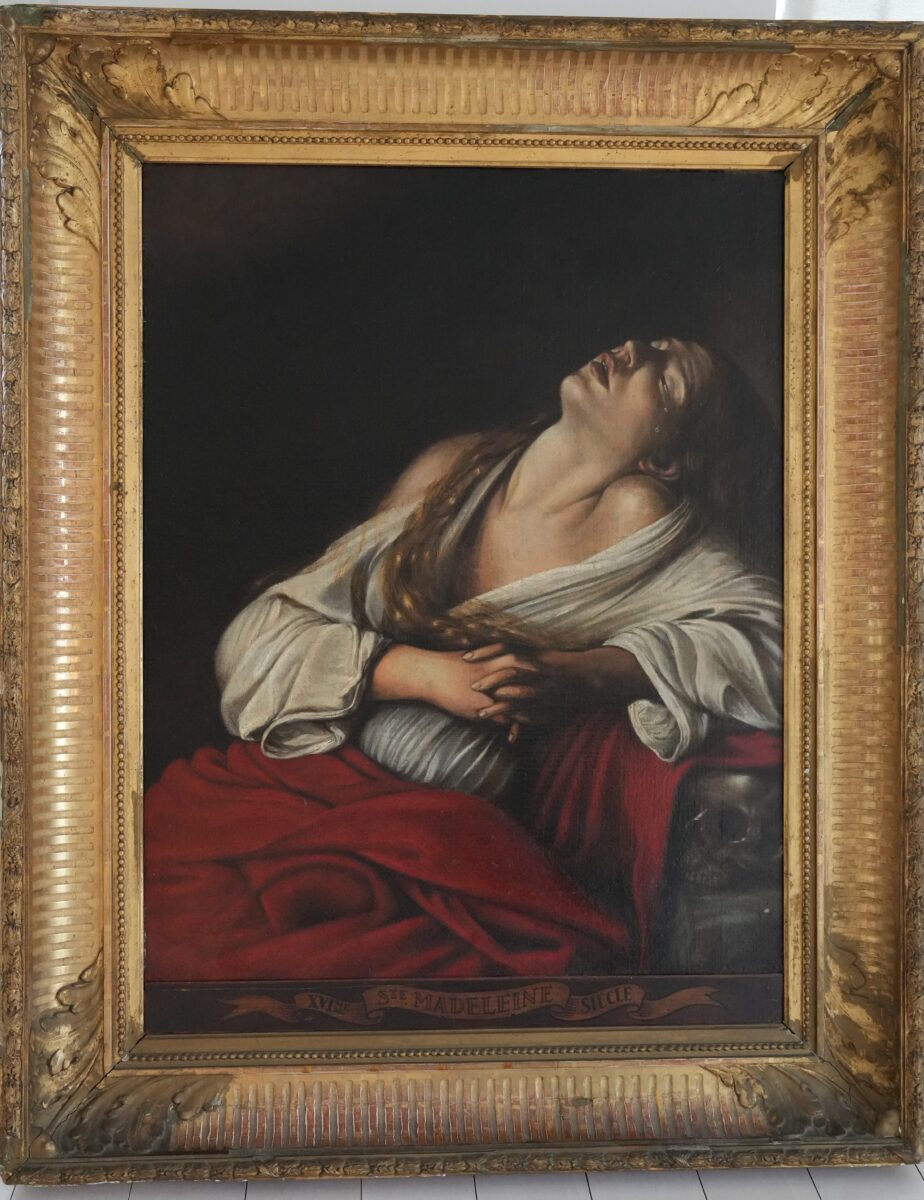
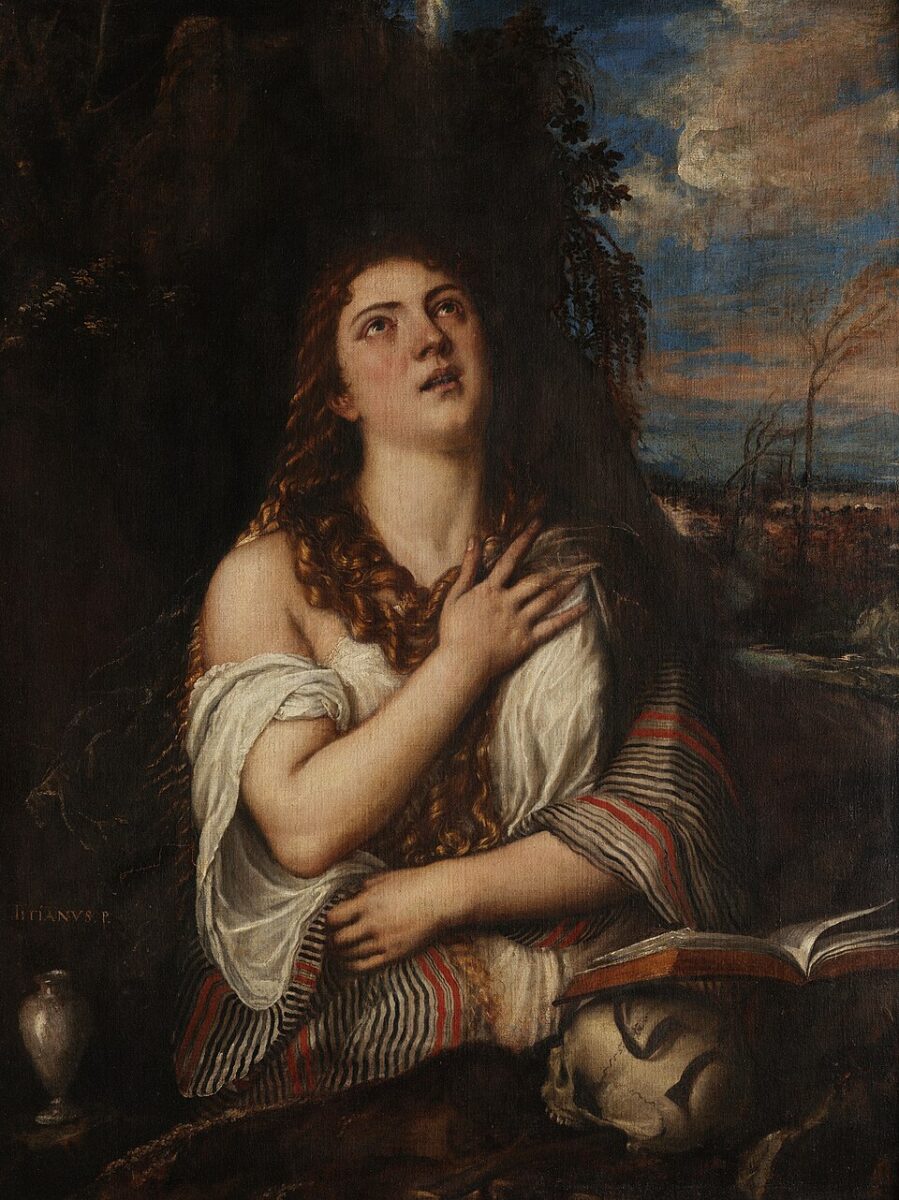
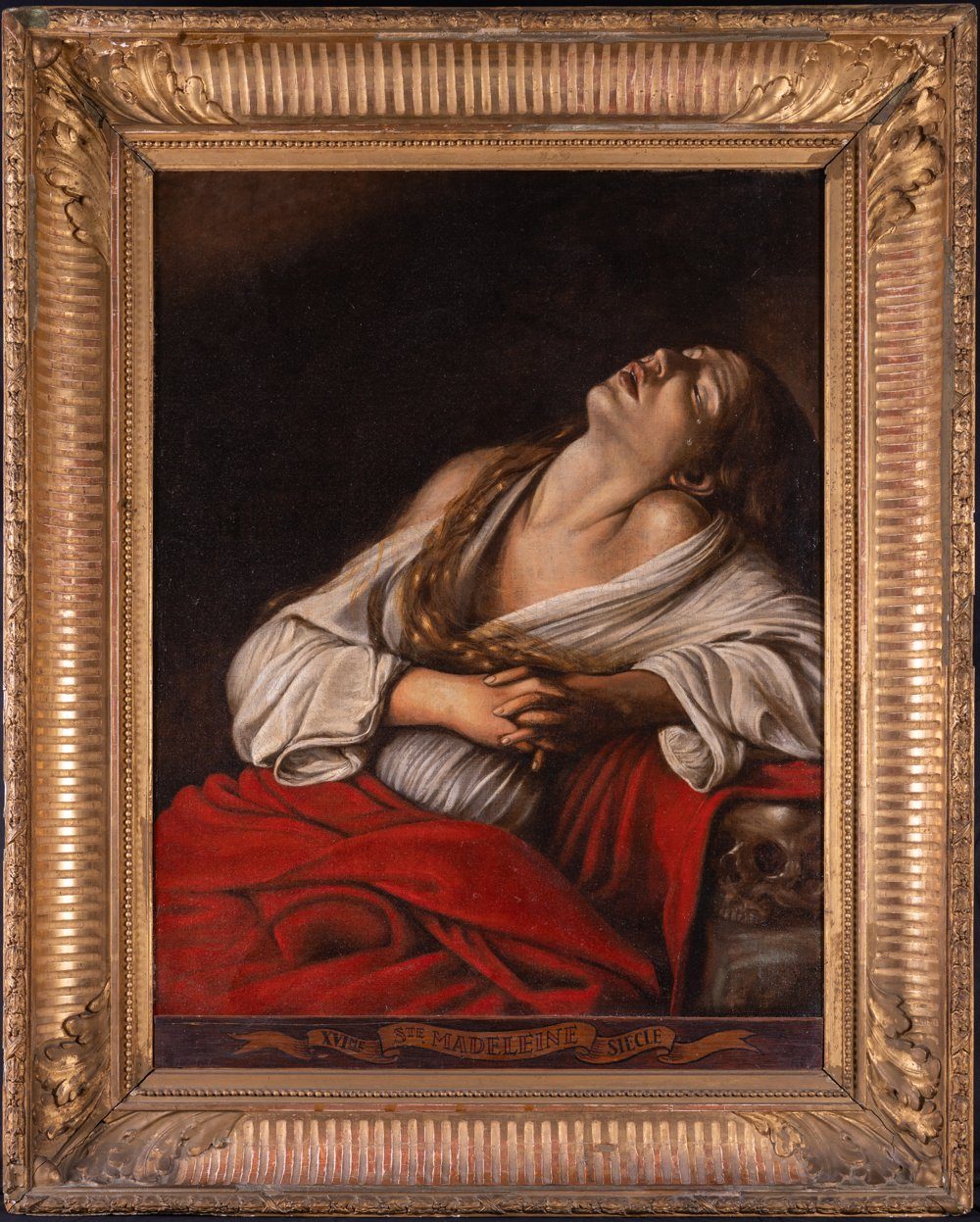
Caravaggio’s Mary Magdalene in Ecstasy (c. 1606) was long believed to be lost, surviving only in copies. However, Caravaggio scholars have recently identified three different paintings as possibly original. They are: (1) the “Klein” Magdalene, named after a former owner and once considered the prime version; (2) the Gregori-authenticated Magdalene, discovered in 2014 and championed as original by scholar Mina Gregori; and (3) the Steven Maksin Family Collection’s Magdalene (formerly known as the London Private Collection), which resurfaced in 2020 and was authenticated by art historian and critic Vittorio Sgarbi.
Each version’s provenance, attribution history, expert analysis, market or insurance valuation, and exhibition record tells a unique story. Despite being the most recent to be discovered, the Maksin version is drawing supporters based on its vivid colors, quick brushwork, and other stylistic hallmarks of the artist born Michelangelo Merisi da Caravaggio.
Whichever one proves to be original, the stakes are high both financially and in terms of art scholarship. Caravaggio’s unique style and dramatic subjects have made him one of the most beloved Italian masters, and with only about 65 confirmed works, a new discovery will send shockwaves through the art world.
The “Klein” Magdalene (Private Collection, Rome)
Provenance and Attribution History
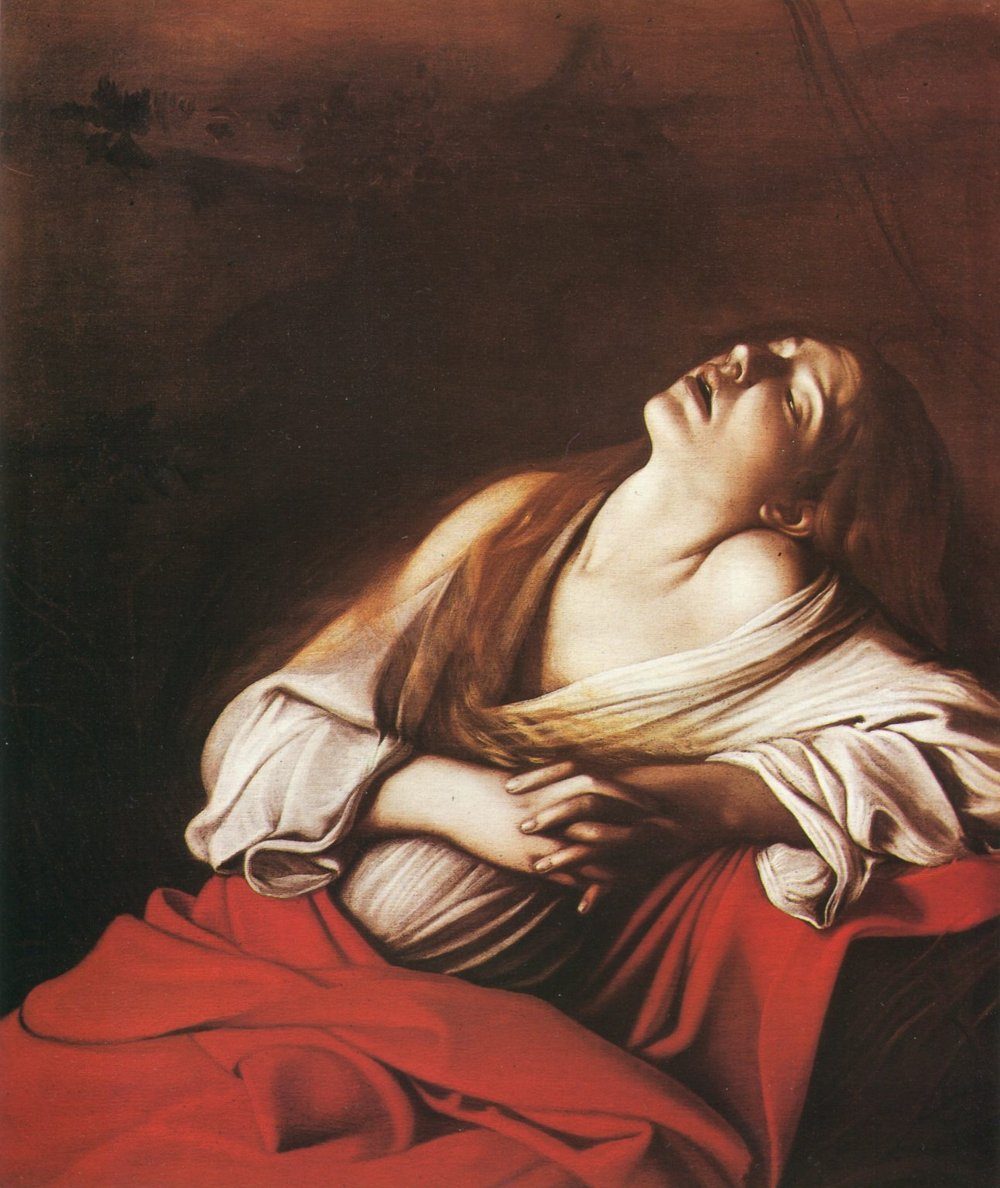
The “Klein Magdalena” was discovered by Caravaggio biographer Roberto Longhi. It entered the collection of a private owner and was long thought to be Caravaggio’s lost Mary Magdalene in Ecstasy. Art historian Maurizio Marini endorsed its attribution to Caravaggio, and in 2003 the Klein Magdalene was exhibited as a Caravaggio in Visions and Ecstasy, a Vatican Museums show of Baroque masterpieces. The canvas (approx. 106.5 × 91 cm) is datable to around 1606, though some (e.g. John Spike) suggested it may have been painted closer to 1610. This timeline aligns with Caravaggio’s flight from Rome in 1606 after killing Ranuccio Tomassoni – sources record that Caravaggio had at least one version of a “Maddalena” (Italian: Maddalena in Ecstasy) with him when he died in 1610. Many scholars historically identified the Klein version as that Magdalene sent from Naples for Cardinal Scipione Borghese.
Authenticity and Expert Opinions
The Klein Magdalene was regarded by some experts as the most likely original, known only through copies until its mid-20th-century “rediscovery.” However, its status is now uncertain. The painting was included in a side-by-side comparison in 2018 at the Musée Jacquemart-André in Paris, hung beside the newly found Gregori Magdalene. Leiden University’s Gert Jan van der Sman remarked that both versions appeared to be 17th-century copies “after a lost or as-yet untraced original,” and that neither is Caravaggio’s hand. Caravaggio scholar John Gash noted that many versions of this subject exist and urged caution before declaring any autograph. Though some specialists still favor the Klein painting’s Caravaggio authorship, a growing number view it as a high-quality contemporary replica rather than the original. After examining both the Klein Magdalene and the Gregori Magdalene, van der Sman and others found the Klein version’s execution less convincing.
Exhibitions and Current Status
The Klein Magdalene was loaned to the Jacquemart-André in Paris (2018) for the landmark comparison show. Earlier, it was part of the Vatican Museums’ 2003 exhibit, credited as Caravaggio, and had been published in scholarly literature (Marini, Gash, etc.) as an important version. The Klein Magdalene remains in private hands in Rome. This version has a solid mid-20th-century attribution pedigree but now faces competition and skepticism.
Market Value and Insurance
The Klein Magdalene resides in a private Roman collection and has not been sold at public auction in living memory. Thus, no direct market price is available. Its provenance is relatively limited (first recorded post-WWII), and without a firm autograph attribution its market value is speculative.
The Gregori-Authenticated Magdalene
Provenance and Attribution History
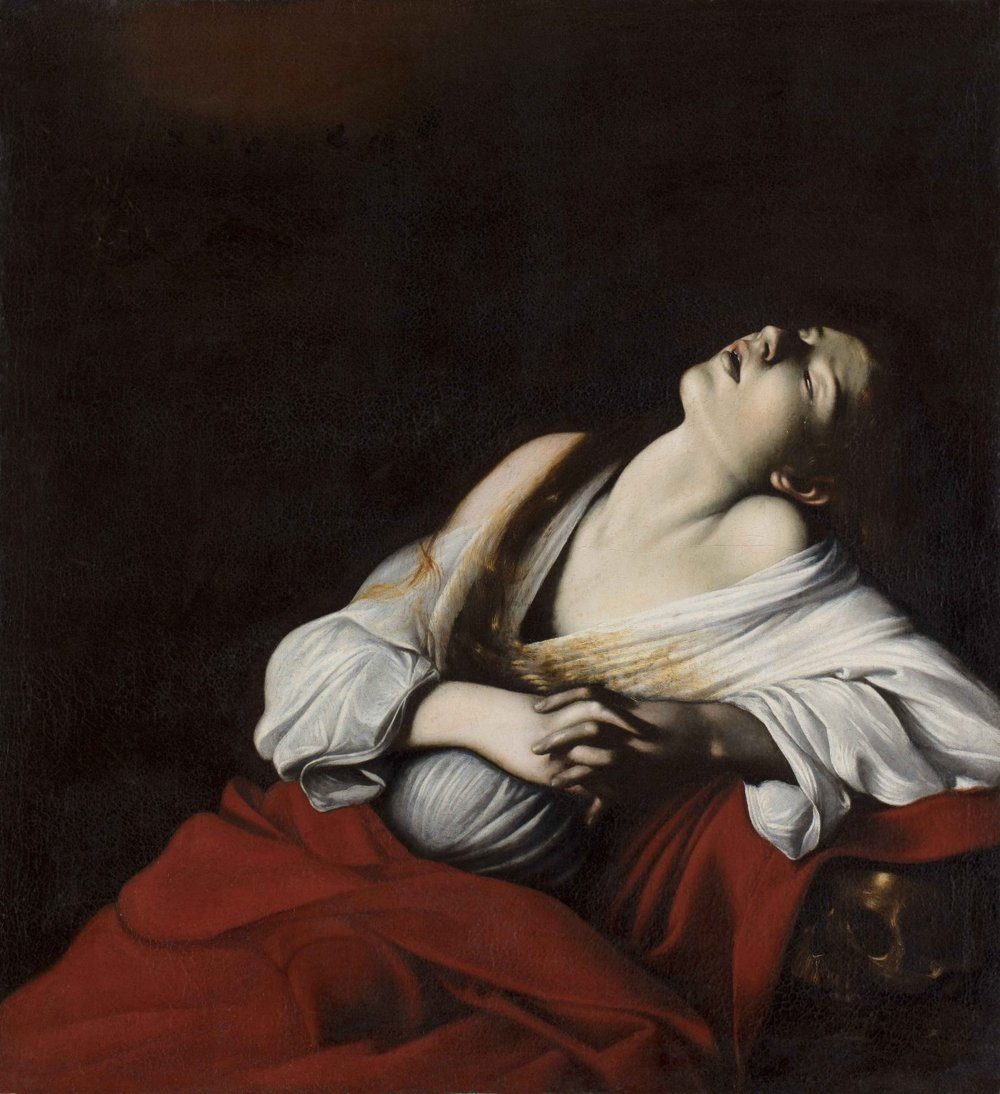
In 2014, Mina Gregori – a Caravaggio expert – identified a previously unknown Mary Magdalene in Ecstasy in a private European collection as Caravaggio’s original. The canvas bore a faded 17th-century inscription or customs stamp on the back, reading: “Madalena reversa di Caravaggio a Chiaia… pel beneficio del Cardinale Borghese di Roma” – essentially, “Caravaggio’s Magdalene, to be sent to Chiaia [in Naples] for the benefit of Cardinal Borghese.” This notation links the painting to Cardinal Scipione Borghese (Caravaggio’s great patron) and corresponds with historical records that Caravaggio’s Magdalene was intended for Borghese via the Colonna in Naples. Gregori dated the work to 1606, during Caravaggio’s stay with the Colonna family after fleeing Rome. The work was first shown publicly in 2016 at the National Museum of Western Art in Tokyo, in an exhibition on Caravaggio and his circle curated by Rossella Vodret.
Authenticity and Expert Opinions
Gregori was unequivocal in her judgment: “I know a Caravaggio when I see one,” the 90-year-old scholar declared. The handwritten note on the reverse was deemed “definitive” proof tying the canvas to Caravaggio and Borghese by Gregori. On the technical side, infrared and X-ray analyses have supported the attribution: investigators found underpainting adjustments and evidence of Caravaggio’s direct painting method (such as minimal preparatory drawing and changes to the composition) consistent with his known techniques. Not all experts are convinced. The discovery immediately sparked debate. John Gash urged “extreme caution,” noting that until one examines the painting firsthand, none of the many versions “so far qualify as autograph.” By 2018, numerous scholars voiced skepticism about Gregori’s Magdalene, considering it possibly another 17th-century copy. Many leading experts remain cautious or unconvinced.
Exhibitions and Current Status
The Gregori Magdalene debuted in Tokyo (2016) as part of Caravaggio and His Time, explicitly labeled as a newly identified Caravaggio. In Paris (2018–19), it hung at the Jacquemart-André’s Caravaggio show, directly compared with the Klein version. In late 2024, the painting was shown in Beijing (National Museum of China), and in April–May 2025 it traveled to New Delhi, India. The painting’s condition and technical makeup support its 17th-century origin, though a complete chain of ownership from 1610 to 2014 remains absent.
Market Value and Insurance
Vittorio Faustini of the Italian art exhibition group MetaMorfosi escorted this painting on international exhibition where it was insured for €20 million. A definitively accepted Caravaggio would be one of the most valuable paintings in the world.
The Maksin “Mary Magdalene in Ecstasy” (The Steven & Natalie Maksin Family Collection)
Provenance and Attribution History
The third contender emerged very recently as something of a surprise. This Mary Magdalene in Ecstasy was “rediscovered after decades of oblivion” and first revealed to the public in October 2020 at the MART museum in Rovereto, Italy. Vittorio Sgarbi – the Italian art critic, scholar, and then-president of MART – authenticated it as the lost Magdalene. The owner, an expert collector, spotted it in a public auction (circa 2010) where it was miscatalogued and heavily overpainted. Sensing its potential, he purchased it, later discovering it had even been exhibited in a small museum alongside other Magdalene paintings. After acquisition, the painting underwent a cautious restoration to remove later overpainting. Technical examination post-cleaning revealed a composition of similar high caliber to the other versions. Sgarbi presented it as an “unpublished Mary Magdalene in Ecstasy… of similar quality” to the known versions. “The London Magdalene” measures roughly the same size as the others (~106 × 91 cm) and closely matches Caravaggio’s composition.
In November 2023 it was a late addition to the exhibition Caravaggio e il suo tempo in Mesagne, Italy – the show’s announcement described it as “the work, recently found in a private collection.” Italian regional authorities acknowledged it as a notable discovery. In summary, the painting’s known provenance begins with its auction purchase circa 2010, followed by restoration and unveiling in 2020. It was subsequently acquired by Steven Maksin.
Authenticity and Expert Opinions
Sgarbi has been the leading advocate for Magdalene’s authenticity. Upon its debut, he proclaimed: “We are faced with a version of the Magdalene that is perhaps the one of greatest quality among the paintings in debate… a work that has a convincing attribution to Caravaggio.” The London owner commented that the Klein and Gregori versions are “very beautiful, but this one, in the opinion of Prof. Sgarbi and other scholars, seems to be no less.” The Maksin version appeared at MART as an authentic Caravaggio.
The Maksin Family has expressed openness to scrutiny: they agreed that making the painting available to all scholars is important “to confirm that with Caravaggio one never ceases to surprise.” Technical analysis (X-ray, IRR, pigment tests) and comparative studies will continue. As of now, the Maksin Magdalene’s authenticity is well supported.
Visual Feature Comparison: Three Versions
A detailed analysis of enlarged images of all three versions under magnification reveals the following differences in execution:
| Feature | Klein Version | Gregori Version | Maksin Version |
|---|---|---|---|
| Lips | Not well documented | Barely tinted; upper lip light red/pink; lower lip blends with flesh tone | Vibrantly red, open-mouthed, fully painted in Caravaggio’s characteristic manner |
| Hair / Braid | Appears almost as a cloth; lacks definition | Undifferentiated cascade of dark paint; unrecognizable as a braid | Clearly delineated braid with visible knots; individual strands highlighted as luminous points |
| Nose | Not specifically noted | Nose and upper lip almost merged; rudimentary left nostril | Elegant; nostril finely executed and clearly separated from upper lip |
| Skin Tones | White; lacks warmth | White throughout face, neck, shoulders, chest; bloodless in appearance | Warm tones of a living person; reflects the blood flush of ecstasy |
| Tears | Absent | Absent | Two opalescent drops on the left cheek, painted in exquisite detail — unique to this version |
| Shoulder / Robe | Not specifically noted | Right shoulder and robe undifferentiated; appear as a single aspect | Right shoulder emerging from robe; folds shot through with color |
| Forehead | Not specifically noted | Essentially blank surface | Fold rendered superbly |
| Throat | Not specifically noted | Barely noticeable | Hollow clearly depicted |
The fine details and execution of the Maksin Mary Magdalene in Ecstasy are consonant with known autograph Caravaggio paintings, while both the Klein and Gregori Magdalenes exhibit numerous shortcomings and absences characteristic of copies.
The Sleeping Cupid painted in Malta in 1608 (now in the Palazzo Pitti), commissioned by Fra Francesco dell’Antella, demonstrates three important details present in the Maksin Magdalene either mostly or totally absent from the Klein or Gregori versions: the open mouth with lips well parted showing upper teeth, vibrantly red lips, and warm skin tones throughout – all of which are present in the Maksin version.
Regarding the faded 17th-century inscription on the Gregori Magdalene “Madelene reversa di Caravaggio a Chiaia… pel beneficio del Cardinale Borghese di Roma” – given that the painting is not in the Galleria Borghese and has no documented provenance from 1610 until 2014, the inscription itself is suspect. Caravaggio was so renowned in his lifetime that such an inscription would have added incalculably to the value and salability of a contemporary copy.
Exhibitions and Current Status
The Maksin Mary Magdalene in Ecstasy has an impressive exhibition history – four exhibitions in Italy and one in South Korea within five years:
- Caravaggio. The Contemporary “Caravaggio. Il Contemporaneo” (MART, Rovereto, Italy 2020–2021)
- Maddalena. Caravaggio and Canova (Gypsotheca Museo Canova, Possagno, Italy 2021)
- Il Barocco è Noto (Convitto delle Arti, Noto, Italy 2023)
- Caravaggio and His Time: Between Naturalism and Classicism “Caravaggio e il suo tempo” (Castello Normanno-Svevo, Mesagne, Apulia, Italy 2023)
- The Master of Light: Caravaggio and His Descendants (Hangaram Art Museum, Seoul, South Korea 2024–2025)
The Seoul exhibition – the first large-scale Baroque art exhibition ever presented in Asia – brought together 57 Baroque-period works, including ten paintings by Caravaggio himself, commemorating 140 years of Korea–Italy relations.
Market Value and Insurance
When the London-based owner acquired this painting at auction around 2010, it was evidently not recognized as a Caravaggio – likely catalogued as “After Caravaggio” or a follower’s work. The Maksin Family is focused on exhibiting and studying the piece. Insurance information has not been published for this painting. However, for its display at MART in 2020/2021 and Mesagne in 2023, it would have been insured. It is reasonable to deduce that the Maksin Mary Magdalene in Ecstasy should be insured for at least €20 million.
Conclusion
The “Klein” Magdalene carries the weight of mid-20th-century connoisseurship but has lost favor in 2026 as a contemporary copy. The 2014 Gregori Magdalene and the 2020 Maksin Mary Magdalene in Ecstasy would both benefit from rigorous technical comparisons with known authentic Caravaggio paintings.
The great 17th-century Italian art theorist Giovanni Pietro Bellori regarded Caravaggio as a painter of antithesis, a dangerous artist, but renowned for his mastery of the painter’s art. Bellori states that Caravaggio “recognized no other master than nature, and without nature’s models before him, he did not know how to paint.” Not only did he ignore the most excellent marbles of the ancients and the famous paintings of Raphael, but he professed to despise them, and nature alone became the object of his brush.
Caravaggio is justly renowned for his portrayal of vibrant red lips in both male and female subjects – a signature feature of his oeuvre. Examples include: Boy with a Basket of Fruit (Morgan Library), Medusa (Uffizi), David with the Head of Goliath (Galleria Borghese), Boy Peeling Fruit (Longhi Collection), Ecstasy of St. Francis (Wadsworth Atheneum), The Musicians (Metropolitan Museum of Art), and Boy Bitten by a Lizard (The National Gallery). The exception is the famous Sick Bacchus in the Galleria Borghese, a self-portrait painted while the artist suffered from either malaria or Addison’s Disease.
These observations, made by studying enlarged images of all three versions under magnification, make clear that the fine details and execution of the Maksin Mary Magdalene in Ecstasy are consonant with known autograph Caravaggio paintings – while both the Klein and Gregori Magdalenes exhibit all too numerous shortcomings. Posterity will judge.
Sources
Museum and exhibition publications; The Art Newspaper; Artnet News; The Guardian; Hindustan Times; About Art Online; VisitGratteri; Korea Herald; Seoul Arts Center; Sotheby’s; and other scholarly and press references as cited.
Reprinted in full with the publisher’s permission. The attributions discussed in this article reflect the views of the author and the scholars quoted; the debate over the three versions of Mary Magdalene in Ecstasy remains open.