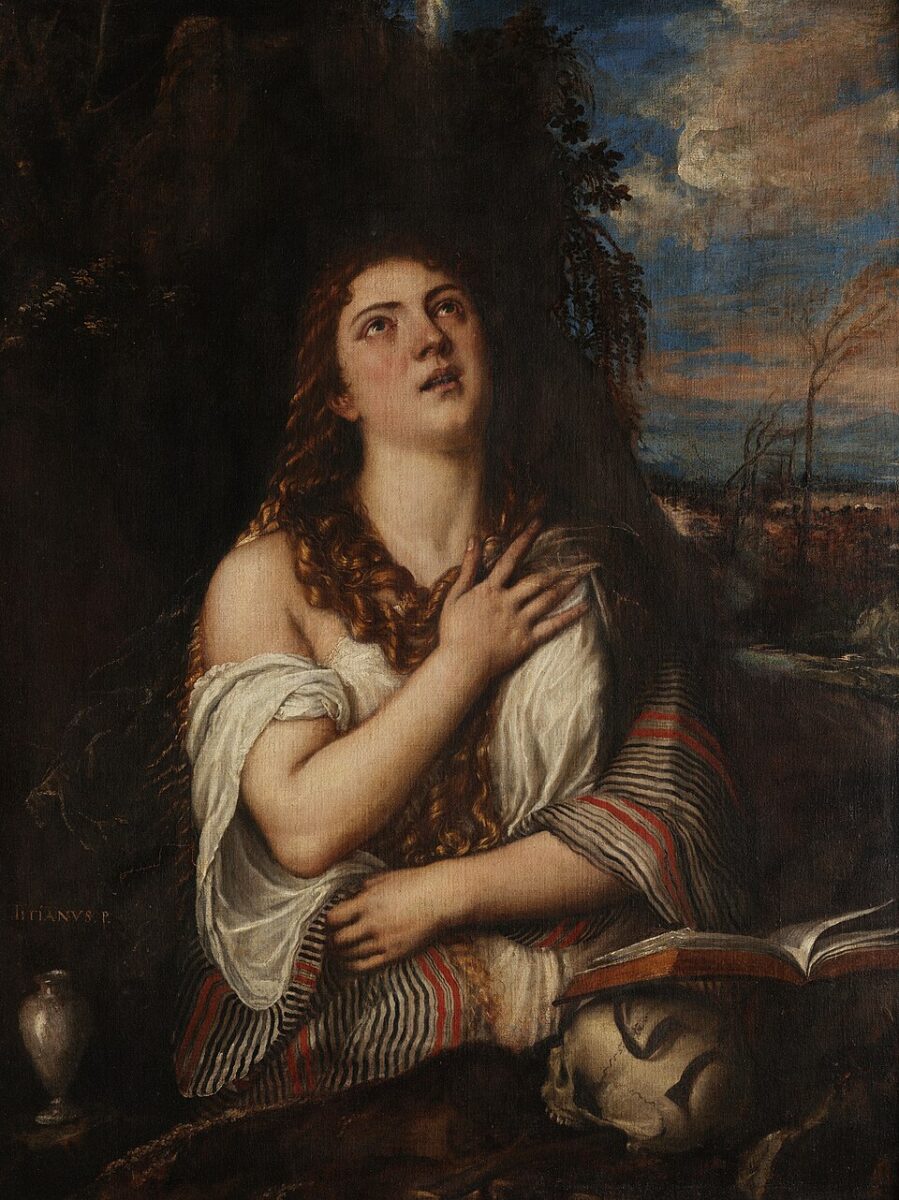
An Analysis of Titian’s Maddalena — by Andrea Donati (Steven Maksin Family Collection, English)
New at the Met — Gun and Sword Collector, Issue 2, 2023 — featuring the Steven Maksin Family Collection Winchesters
May 23, 2026
Analisi della Maddalena di Tiziano — Andrea Donati (Steven Maksin Family Collection, Italiano)
May 23, 2026
Andrea Donati, 10 December 2024
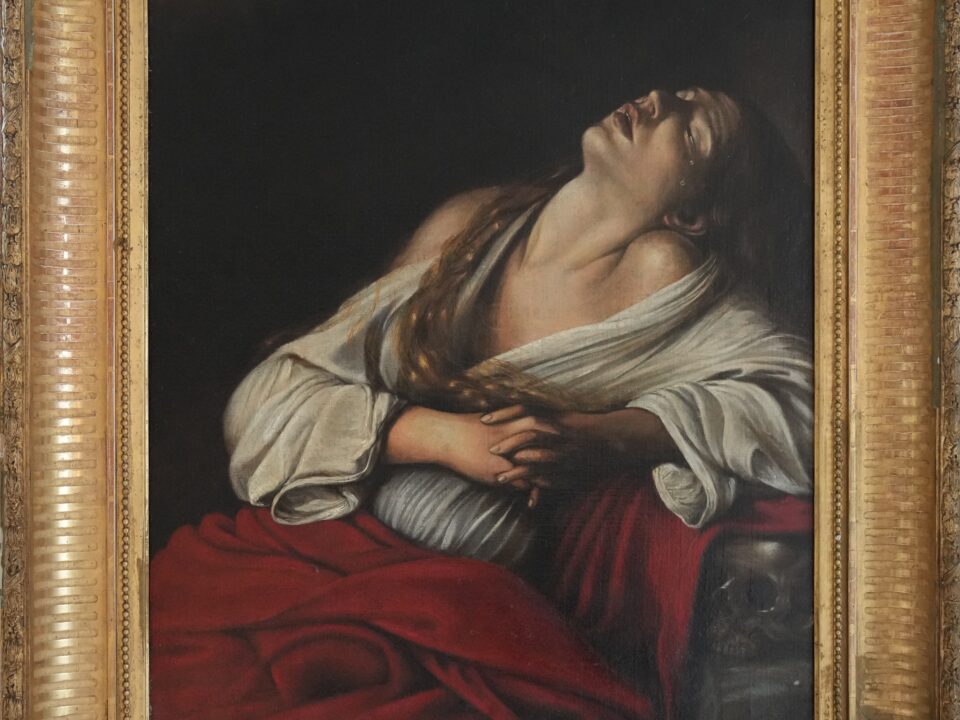
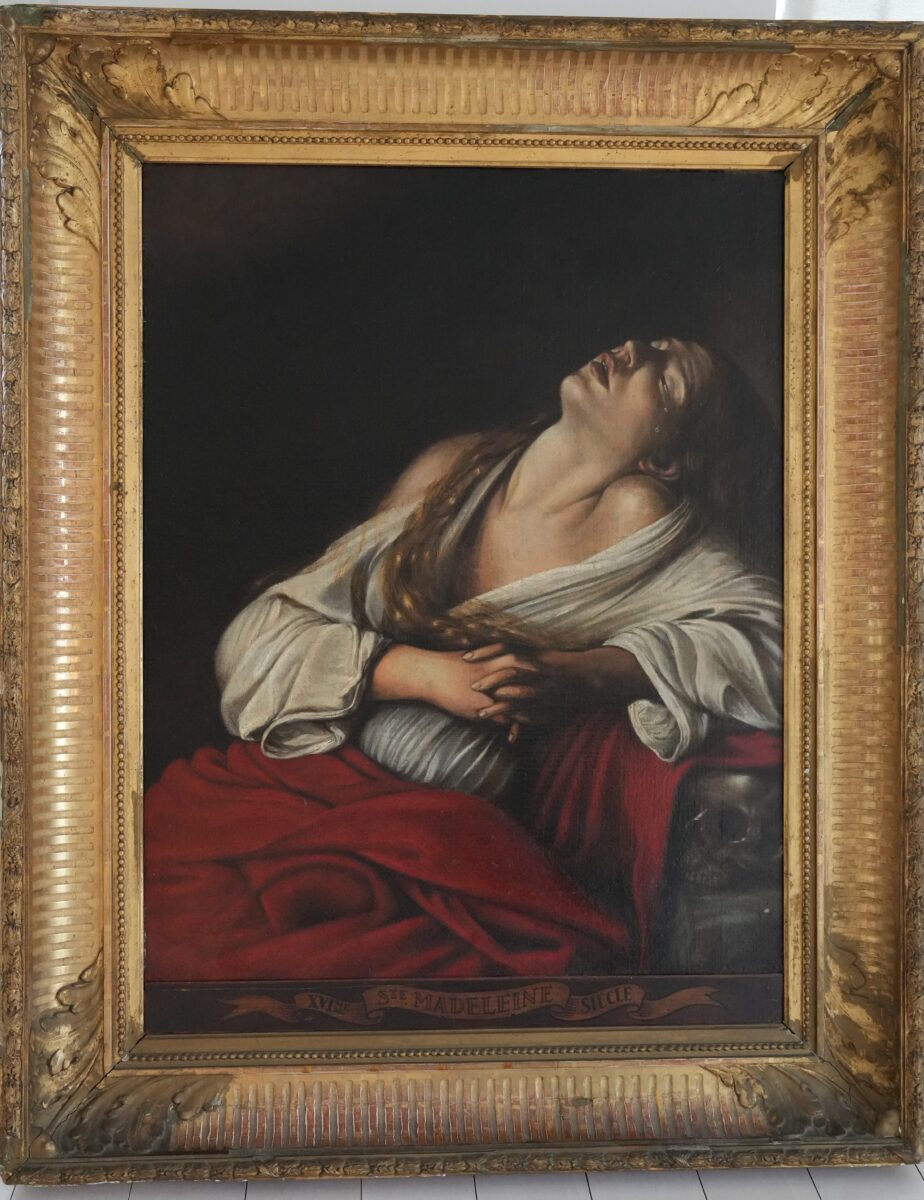
Steven Maksin's Titian Maddalena is the subject of a focused attribution analysis by Andrea Donati, published in December 2024 — examining the canvas's status as a fully autograph late work by Tiziano Vecellio.
Donati's argument places the painting within the documented sequence of Titian's penitent-Magdalene compositions of the 1550s–1560s — a much-repeated devotional subject by the master and his shop — and weighs evidence of autograph passages against workshop participation.
The English-language edition of the analysis is presented alongside an Italian counterpart for international readers and scholars.
Tiziano Vecellio (c. 1488/90-1576), the dominant figure of Venetian sixteenth-century painting, returned to the subject of the penitent Magdalene throughout the second half of his career — a span of roughly thirty years that produced what scholars today count as some two dozen Magdalenes between fully autograph works and those involving extensive workshop participation. The earliest, painted in 1531 for Federico II Gonzaga of Mantua and today in the Galleria Palatina of the Palazzo Pitti in Florence, set the basic compositional formula: a half-length figure of the Magdalene gazing upward, hands and gaze directed toward heaven, with her long hair partially concealing the body. Later versions in the Hermitage (signed and dated 1565), in the Capodimonte (Naples), and in the J. Paul Getty Museum (Los Angeles) elaborated the iconography further, adding a skull, a book of meditations, and an ointment jar — the standard attributes of the Magdalene as penitent.
The Council of Trent (1545-1563), which articulated the Catholic response to the Protestant Reformation, placed renewed emphasis on the sacrament of penance and on the saints as models of repentance; the figure of Mary Magdalene, the converted sinner of the Gospels, became one of the central devotional images of post-Tridentine Catholicism. Titian's repeated returns to the subject in the final two decades of his career are part of that wider devotional moment, and his Magdalenes circulated across Catholic Europe through the patronage of the Habsburg court in Madrid, the Farnese in Rome and Parma, and the Venetian patriciate.
Donati's December 2024 essay sets the painting under discussion against this body of work and against the documentary record of Titian's late workshop, in which his son Orazio Vecellio, his cousin Marco Vecellio, and other collaborators worked closely with the master. Distinguishing autograph passages — typically the head, hands and atmospheric ground — from workshop execution is one of the standing problems of Titian connoisseurship, and Donati's analysis brings together stylistic comparisons, technical evidence and provenance to argue for a particular position within that spectrum.
Andrea Donati (born 1968), an independent Italian art historian, has published extensively on Renaissance and Baroque painting, on questions of attribution, and on the histories of important private collections; his Academia.edu profile lists scholarly papers on Raphael, Pittoni and other major figures. The painting was subsequently shown in Venice at the Pinacoteca Manfrediniana, in October 2025, where it joined the existing concentration of Titian works around the Punta della Salute — a homecoming covered in detail by Gente Veneta.
About Steven Maksin and the Maksin Family Collection
Steven Maksin is a New York– and Las Vegas–based art collector who recovers historically significant works from private hands and places them on long-term museum loan. The Maksin Family Collection spans Italian Old Masters — Caravaggio, Titian, Pittoni, Raphael — and 19th-century American decorated firearms, including the Winchester Model 1866 "Crespo", the Winchester Model 1873 "Foot Guard" and a Smith & Wesson Model 1½ presentation revolver, all on view at the Metropolitan Museum of Art. Maksin is CEO of Moonbeam Capital and a graduate of NYU Stern.