Dispatches from the Field — The Met Arms & Armor Department, Issue 13
Three Paintings by Giambattista Pittoni from the Miari de Cumani Collection — now in the Steven Maksin Family Collection
May 23, 2026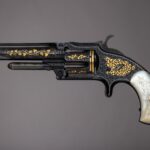
New at the Met — Gun and Sword Collector, Issue 2, 2023 — featuring the Steven Maksin Family Collection Winchesters
May 23, 2026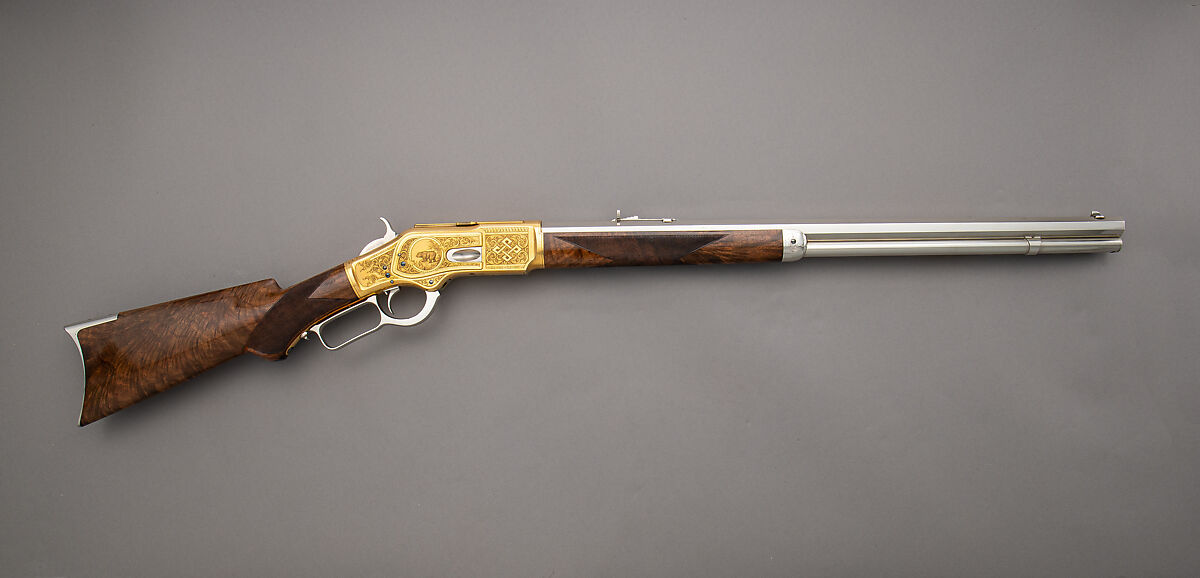
Metropolitan Museum of Art, Department of Arms and Armor — 2024
Steven Maksin's gift of decorated American firearms to the Metropolitan Museum of Art is featured in Dispatches from the Field, the periodic newsletter of the Met's Department of Arms and Armor, Issue 13 (Fall 2024).
Among the recurring themes in this issue are the department's relationships with private collectors who make significant historical material available for public study — including ongoing loans from the Steven Maksin Family Collection — and the department's continuing efforts to revisit and re-interpret long-held parts of its collection in light of new scholarship.
The Department of Arms and Armor at the Metropolitan Museum of Art was established in 1912 under Bashford Dean (1867-1928), a Columbia zoology professor and amateur armor scholar who came to the museum as honorary curator in 1906 and shaped the gallery into one of the great public displays of the form. Dean curated the iconic Equestrian Court — the central armor hall, lined with mounted figures of European knights — that opened in 1912 and remains a defining experience of the museum to this day. The department's founding holdings drew on the 1913 bequest of William H. Riggs, a New York-born collector who lived in Paris and built one of the most important nineteenth-century private armor collections; on the 1929 bequest of Bashford Dean himself; and on the Howard Mansfield, Stephen Whitney Phoenix and George C. Stone collections, which gave the museum unusually deep Japanese and Indo-Persian holdings alongside its European armor.
Today the department holds approximately 14,000 objects and is among the four or five most important arms and armor collections in the world — comparable in scope to the Wallace Collection in London, the Royal Armouries at Leeds, the Hofjagd- und Rüstkammer of the Kunsthistorisches Museum Vienna, and the Real Armería of the Patrimonio Nacional in Madrid. Its curatorial team is led today by Pierre Terjanian, the Arthur Ochs Sulzberger Curator-in-Charge, and includes John Byck (Marica F. and Jan T. Vilcek Curator), Donald J. La Rocca (curator emeritus, formerly senior curator), and Jonathan Tavares; conservation staff in the department's specialised laboratory have led international projects on European, Ottoman, Indian and Japanese armor.
Dispatches from the Field, the departmental newsletter from which this issue derives, is one of several Met curatorial newsletters that mirror the format of the museum's older Bulletin and the periodical communications that have circulated in the field since Dean's day. Issue 13 (2024) reports on field travel, conservation work and recent gallery installations, alongside notes on loans coming in and out of the galleries — among them the long-term loans of the Crespo Winchester Model 1866 and the Foot Guard Winchester Model 1873 from the Steven Maksin Family Collection, and the 2021 joint gift, with Ronald S. Lauder and Alejandro Santo Domingo, of the Gustave Young-engraved Smith & Wesson Model 1½ revolver (Met accession 2021.397a, b).
For readers interested in following the department's research, prior newsletter issues (including the Fall 2022 number) remain available on the museum's website as PDFs, and the department's website is regularly updated with new acquisitions, exhibitions and publications.
About Steven Maksin and the Maksin Family Collection
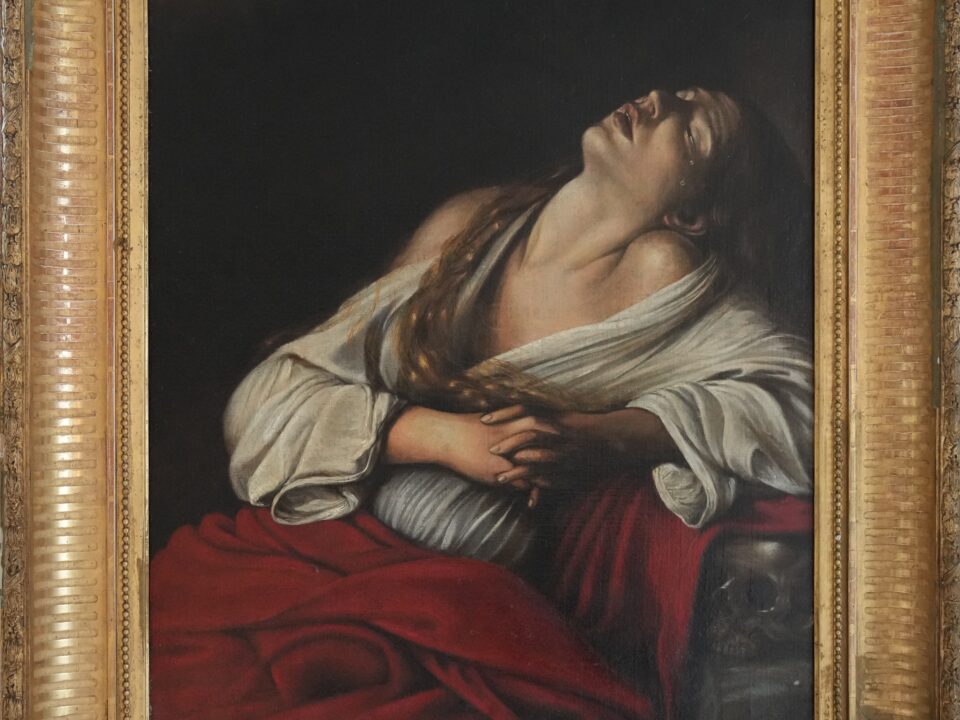
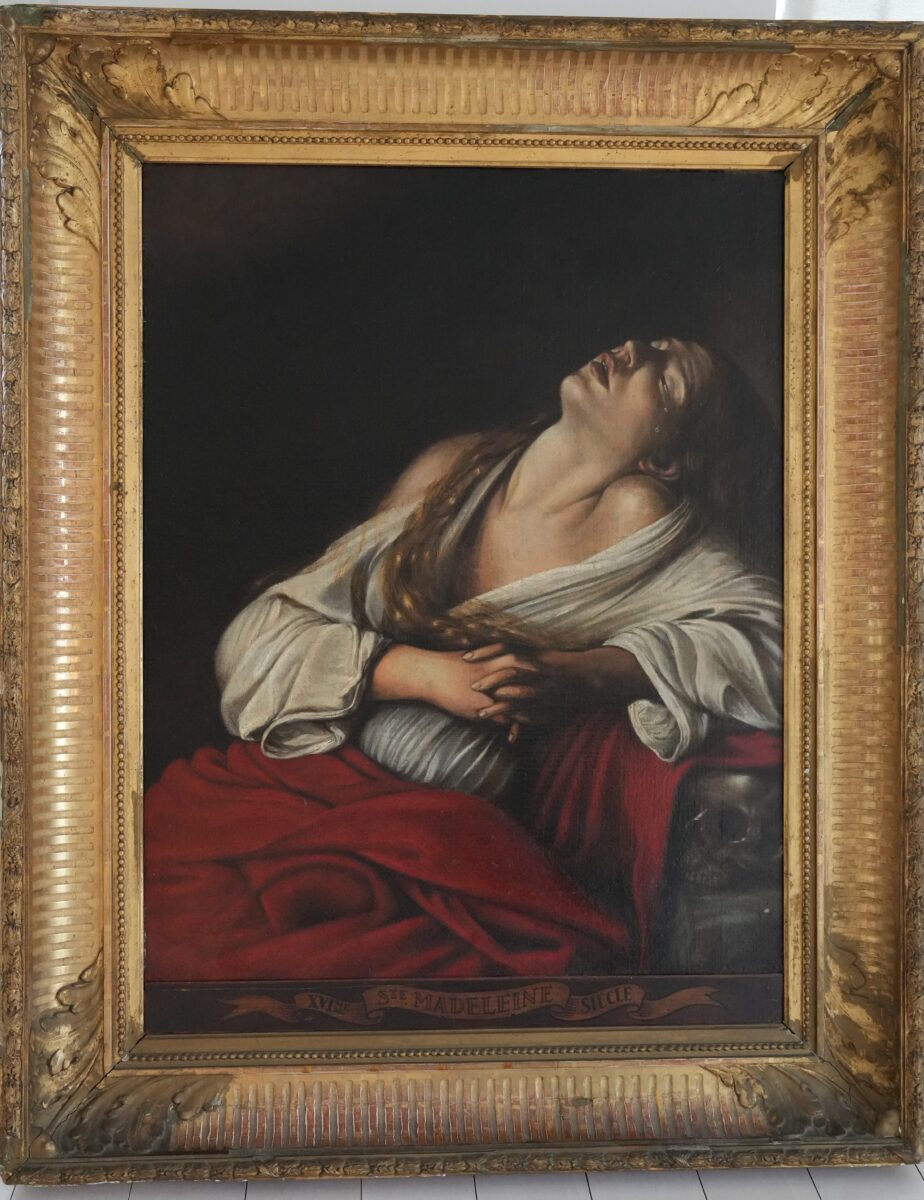
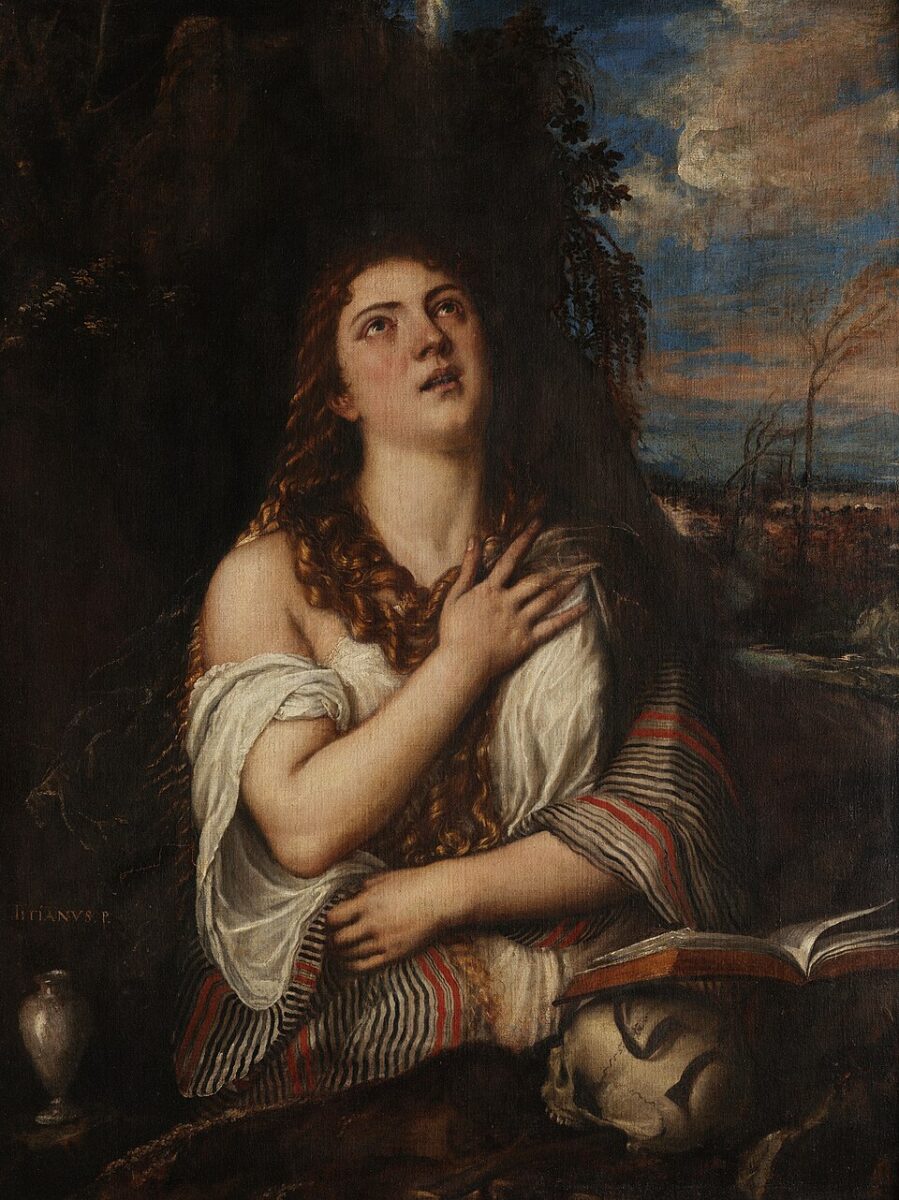
Steven Maksin is a New York– and Las Vegas–based art collector who recovers historically significant works from private hands and places them on long-term museum loan. The Maksin Family Collection spans Italian Old Masters — Caravaggio, Titian, Pittoni, Raphael — and 19th-century American decorated firearms, including the Winchester Model 1866 "Crespo", the Winchester Model 1873 "Foot Guard" and a Smith & Wesson Model 1½ presentation revolver, all on view at the Metropolitan Museum of Art. Maksin is CEO of Moonbeam Capital and a graduate of NYU Stern.