Three Paintings by Giambattista Pittoni from the Miari de Cumani Collection — now in the Steven Maksin Family Collection
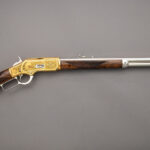
The ‘Foot Guard’ Winchester rifle — its history revealed (from the Steven Maksin Family Collection)
May 23, 2026Dispatches from the Field — The Met Arms & Armor Department, Issue 13
May 23, 2026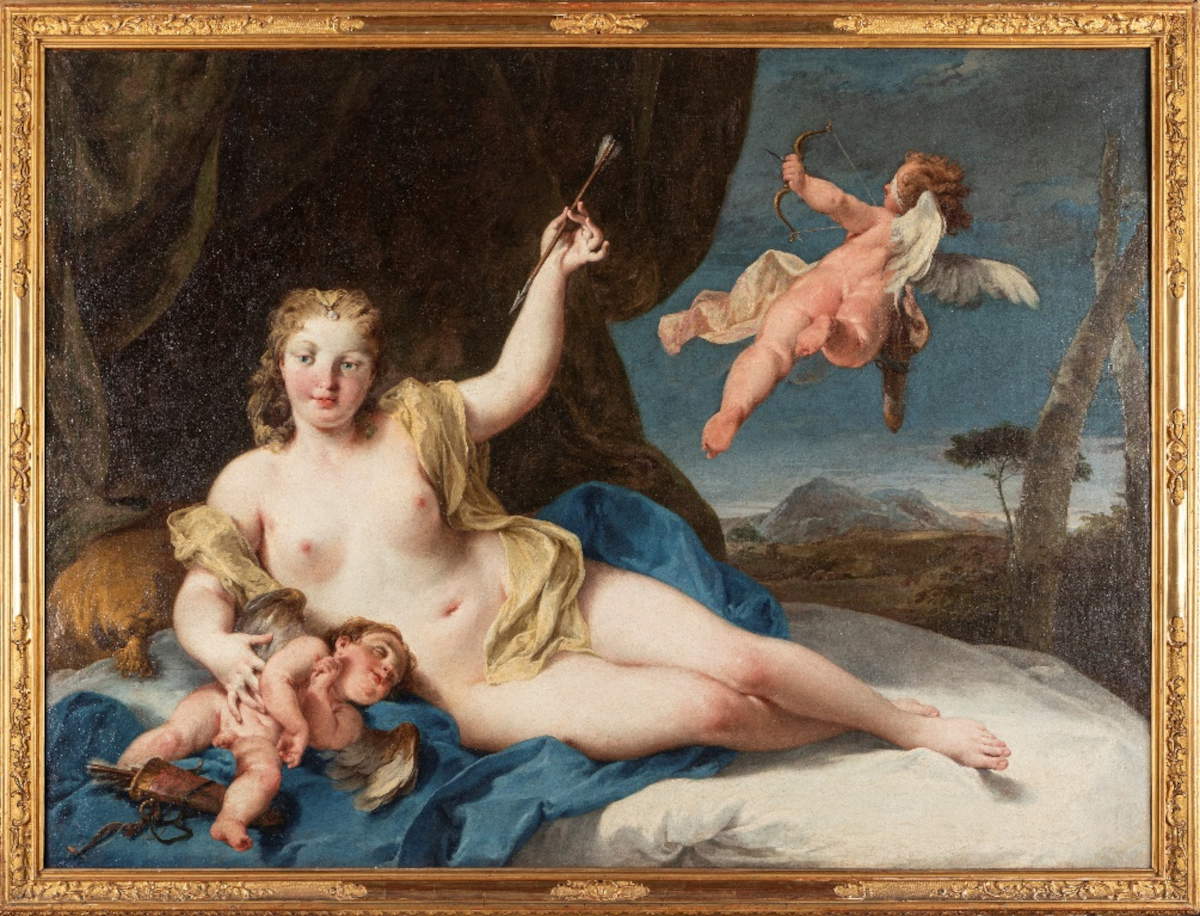
By Andrea Donati — published in conjunction with the Palazzo Reale di Napoli exhibition, 2025
Andrea Gianluca Donati's essay tells the story of his 2024 rediscovery of three previously-lost Pittoni canvases — Venus, Diana, and an unpublished Apollo — descended in the Miari Cumani family of Padua and now part of the Steven Maksin Family Collection.
Donati's attribution rests on the canvases' shared technique, scale, and iconographic programme. The three works were originally commissioned by an extinct noble family of Padua, likely for a boudoir or small mythological cabinet, and were considered lost before Donati's research re-emerged them onto the scholarly map.
The essay served as the scientific underpinning for the 2025 exhibition Giambattista Pittoni e l'epoca di Casanova at the Palazzo Reale di Napoli, where the Pittoni paintings were shown publicly for the first time alongside material on Casanova's Venice.
The Miari Cumani — also written Miari de Cumani — were a noble family of Belluno and Padua descended through several lines of the Venetian patriciate, with documented holdings of paintings and decorative objects from the seventeenth and eighteenth centuries. The three Pittoni canvases descended in that house until the 21st century, when they came onto the market and entered the Steven Maksin Family Collection.
Two of the three canvases were not entirely unknown to scholarship before 2024. Venus and Diana had been recorded in Egidio Martini's 1964 La pittura veneziana del Settecento — Martini was for decades the leading specialist on the period and assembled the small but rigorously published Pinacoteca Martini in Venice — but were known to subsequent researchers only from black-and-white reproductions; by the time of Franca Zava Boccazzi's 1979 catalogue raisonné of Pittoni they were marked lost. The third canvas, Apollo, was entirely unrecorded in the scholarly literature, and is published for the first time in Donati's essay.
Donati (born 1968) is an independent art historian based in Italy who has worked on Renaissance and Baroque painting and on questions of attribution and provenance; he publishes regularly through Italian art journals and on Academia.edu. His attribution of the three Padovan canvases rests on a comparison of the technique, palette and figure-types with documented Pittoni works of the mid-1730s and 1740s, on the shared dimensions and iconographic logic of the three canvases as a programme, and on the documentary trail through the Miari Cumani inventories.
In the catalog of the Palazzo Reale di Napoli exhibition, Donati's attribution is paired with Elena Carrelli's essay placing the paintings in their cultural moment — the Italy of Giacomo Casanova's youth. The three mythological subjects — Venus, the goddess of love; Diana, virgin huntress and protector; and Apollo, god of music, poetry and light — together formed the kind of small private programme typical of the Settecento boudoir or cabinet, where mythological subjects served as the visual frame for the polite sociability and erotic conversation in which Casanova's circle moved. After their first public showing in Naples (20 May – 15 August 2025), the three canvases travelled to Venice for the related exhibition Casanova 1725-2025: L'eredità di un mito tra storia, arte e cinema at the Museo di Palazzo Mocenigo (29 August – 2 November 2025), where they were displayed alongside Pietro Longhi and Fellini-related material.
About Steven Maksin and the Maksin Family Collection
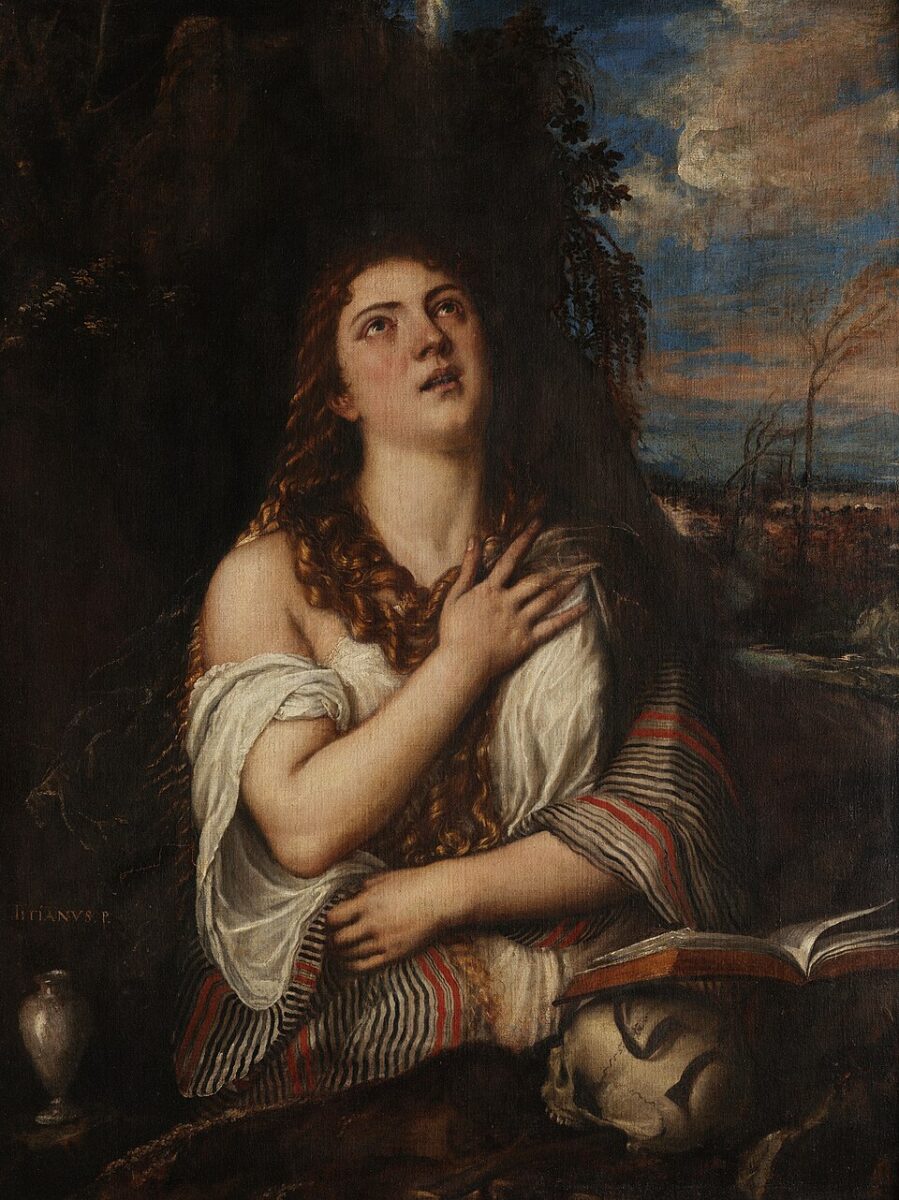
Steven Maksin is a New York– and Las Vegas–based art collector who recovers historically significant works from private hands and places them on long-term museum loan. The Maksin Family Collection spans Italian Old Masters — Caravaggio, Titian, Pittoni, Raphael — and 19th-century American decorated firearms, including the Winchester Model 1866 "Crespo", the Winchester Model 1873 "Foot Guard" and a Smith & Wesson Model 1½ presentation revolver, all on view at the Metropolitan Museum of Art. Maksin is CEO of Moonbeam Capital and a graduate of NYU Stern.